
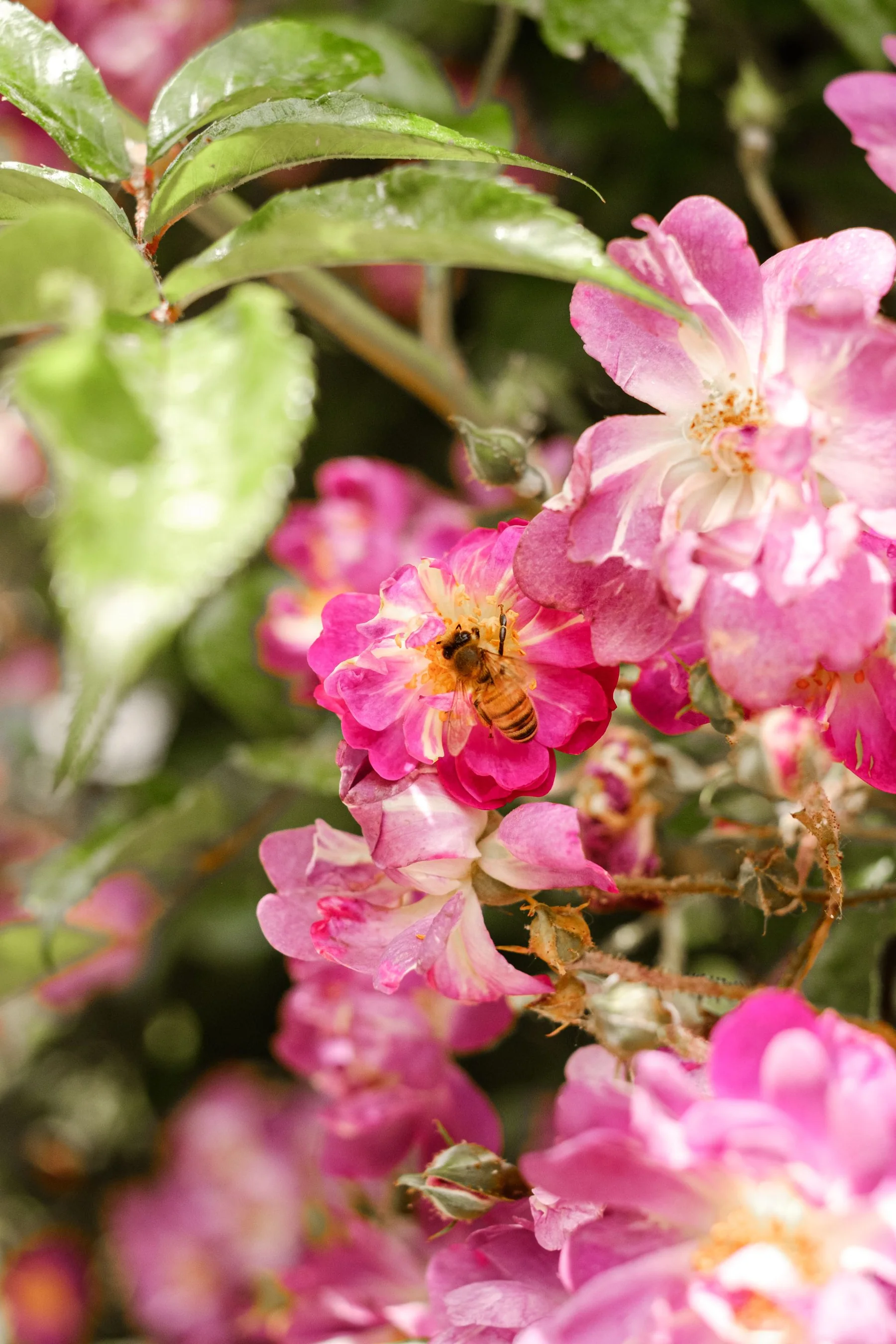
Autumn cleanup is usually framed as a choice between a tidy garden and a wildlife-friendly one. In a small plot, the better question is which material must leave, which can stay, and where it can stay without creating a sanitation or access problem. Some native bees nest in bare ground; others use hollow stems or cavities. Leaves can shelter insects and protect soil, but diseased foliage, blocked drains, and slippery paths still deserve attention.
Sort plants by risk and role
Walk the garden before reaching for shears. Mark plants that show a known disease problem, plants whose seed heads are welcome food or ornament, and stems that are hollow or pithy. Remove diseased material according to local plant-health advice, especially when the disease is one that survives in debris. Do not put suspect material in a home compost pile unless the pile reliably reaches the conditions needed to destroy the pathogen. If you cannot identify a symptom, take a clear photo and ask Extension before deciding whether it should be composted.
Next separate the garden into small maintenance zones. A balcony planter, a narrow path, and a shared courtyard bed do not need the same treatment. Clear exits, drains, vents, and building edges. Move wet leaves away from steps where they become slippery or from a wall where moisture is already a concern. Then choose a less trafficked corner, planter edge, or designated patch where healthy leaves and stems can remain undisturbed through winter.
Leaving habitat does not mean building a pile of every kind of debris. A deep, tightly packed heap can mat down, hold excess moisture, or hide pests in a place where they become difficult to inspect. Spread leaves as a loose layer in a defined bed or keep a modest leaf pile in a protected corner. Keep the route to doors, meters, and shared infrastructure clear, and ask building management before storing material in common space.
Keep the living architecture
Many solitary native bees use small cavities or hollow plant stems, while most bee species nest in the ground. That means a manufactured bee hotel is only one small part of habitat, and it is not a substitute for soil and plant structure. Minnesota Extension recommends leaving hollow stems at least five inches high and keeping them for two years so insects can complete their life cycle. This is a Minnesota source; in other regions, local native-bee guidance should set the details.
Where stems are sturdy and safe, leave selected stalks standing until spring or cut them higher and bundle them loosely in a sheltered spot. Avoid tying a tight bundle that traps water or turning every stem into a decorative hotel. Ground-nesting bees need some patches of exposed, undisturbed soil; cover the whole courtyard with mulch and you remove that option. A sunny, bare patch can be small, but it should be free from foot traffic and pesticide drift.
Flowering plants matter too. Fall flowers can provide late-season forage, while seed heads may feed birds and add winter structure. If a plant is a non-native invasive species in your area, remove it before it scatters seed and replace it with a locally appropriate plant. A pollinator-friendly decision depends on species identity and local ecology, not just whether a flower looks attractive to a person.
Use a three-zone cleanup
- Clear for safety: remove material that blocks doors, drains, stairs, vents, or wheelchair routes; clean wet leaves from walking surfaces.
- Remove for plant health: deal with known diseased or pest-infested material using local disposal guidance; clean tools between affected plants.
- Leave for habitat: retain selected healthy stems, seed heads, leaf cover, and an undisturbed patch of soil where they fit the site.
- Watch through winter: after wind, heavy rain, or snow, check that retained material has not shifted over a drain or become a hazard.
This division avoids the false choice between “clean everything” and “leave everything.” The placement is as important as the material. A small leaf layer in a perennial bed can buffer the soil; the same leaves on a smooth stair tread create a fall risk. Hollow stems may be valuable in a back corner and inappropriate beside a hot exhaust vent or an entrance that must stay clear.
Do less cutting, but keep a record
If you are unsure which stems to retain, take a photograph before pruning and note the plant name if known. Preserve a few clearly hollow stems as a trial and leave the rest of the garden accessible. In spring, observe what remains and whether the material interferes with new growth or maintenance. This is a useful way to adapt a habitat plan without making a broad claim that one cleanup schedule works for every plant community.
Avoid pesticides as a fall tidy-up tool. A broad treatment can affect beneficial insects along with the target pest, and dormant-looking plants may still shelter organisms. If disease or a severe pest problem is present, identify it and use an integrated recommendation that specifies the plant, pest, timing, and product. This article does not prescribe pesticide use.
The spring handoff
Leave stems through the period recommended for local insects to emerge; cutting them early can remove developing brood. In Minnesota, the cited Extension page advises keeping cut stems for two years. That timing may differ for another region or species, so check local guidance before disposal. When you do remove old stems, cut them into small sections and handle them according to local habitat recommendations instead of carrying intact occupied stems away.
Use the spring review to improve the site: note where leaves stayed in place, where water pooled, whether paths remained safe, and which flowers bloomed late. If a retained area became a maintenance burden, move it. A habitat patch should be stable enough to protect overwintering insects and practical enough for the gardener to care for.
Adjust next autumn's cuts from spring evidence
Pollinator nesting habits vary by species and region; the Minnesota examples in the sources should not be treated as a complete North American species guide. Disease disposal, invasive plants, fire rules, building access, and shared-property policies also vary. Keep a small, safe habitat zone where feasible and use local Extension or native-plant guidance to identify which stems, leaves, and ground patches have value in your area.
Sources and further reading
- Nests for pollinators — University of Minnesota Extension
Ground-nesting and stem-nesting habitat, fall cleanup, and Minnesota stem guidance.
- Buzzing into autumn: pollinator-friendly perennials and container plants — University of Minnesota Extension
Late-season flowering and pollinator-friendly container choices in Minnesota.