
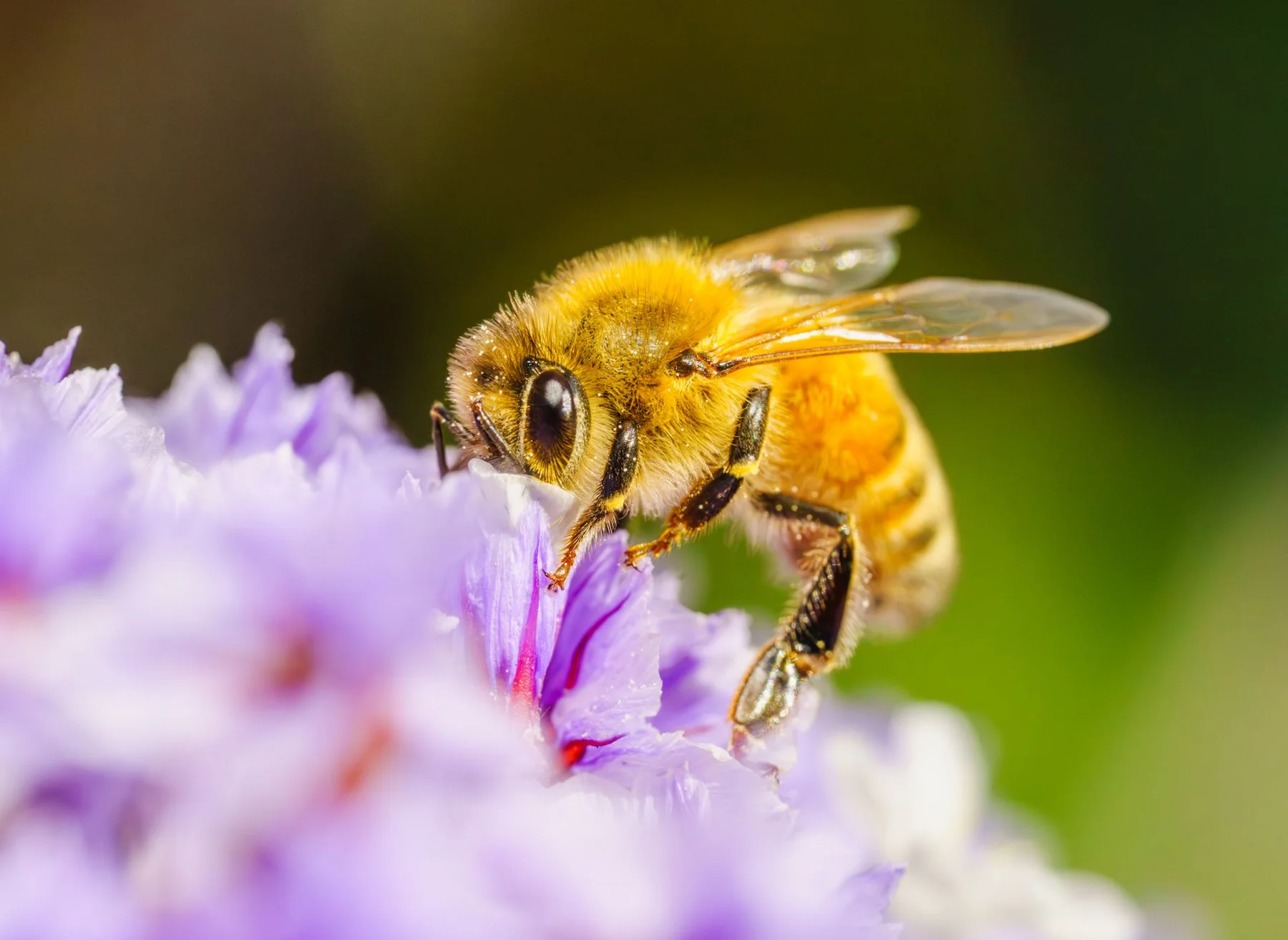
A balcony cannot function like a continuous meadow, yet a cluster of well-chosen containers can add flowers and shelter to an otherwise hard urban block. Calling every planter a “corridor” overstates what one household can provide. A more useful goal is to add a reliable food stop, reduce avoidable hazards, and coordinate with nearby plantings where possible. The result depends on local species, building conditions, and what already exists within the surrounding landscape.
Map the conditions before choosing flowers
Watch the balcony at several times of day. Record hours of direct sun, the direction of prevailing wind, how quickly pots dry, and whether glass or metal surfaces create extra heat. A plant list built for an open backyard may fail on an exposed high-rise balcony. Choose plants that can tolerate the actual light and container volume first, then consider which native or regionally appropriate species offer flowers through more than one part of the growing season.
Think in terms of bloom sequence, not one dramatic flush. Early, middle, and late flowering periods can make a small planting useful over more weeks. UMN Extension’s fall pollinator guide, for example, highlights late-season asters and other plants for its Minnesota context. That list is not universal: native plant choices and bloom timing change by region. Use a local native-plant society or Extension list to avoid importing a recommendation that does not fit your climate.
Pollinators need more than nectar. Some bees nest in soil or cavities, and many insects overwinter in plant litter and stems. A balcony may have limited nesting space and cannot substitute for habitat at ground level, but it can avoid removing every stem at the first sign of autumn. Leave only material that is safe, structurally sound, and allowed by the building; a pot’s dry stalks are not a guaranteed nesting site.
Build a small planting in layers
Choose a small number of plants with overlapping bloom times rather than collecting many unrelated species. A compact flowering herb, a native perennial suited to a pot, and a late-season flowering plant can provide variety without filling every railing. Planting several flowers of the same type can help insects locate a patch, while staggered heights and leaf shapes create a more useful structure than a row of identical nursery pots.
Use containers with drainage holes and enough volume for the selected plant. A shallow window box can dry quickly and constrain roots; a large pot is heavier and may violate balcony load or safety rules. Place the heaviest containers near approved structural support and secure them against wind. Keep plants and watering runoff away from the balcony edge and neighboring units. Ask the building manager about weight, railing, and water rules before installing brackets or a vertical support.
Provide water carefully if local conditions and building rules allow. A shallow dish with stones can offer a landing surface, but it needs frequent cleaning and fresh water to avoid mosquito breeding. Do not create standing water in a tray for weeks. In hot weather, containers may need daily checks, yet water should not overflow onto a lower balcony or public walkway.
A balcony habitat check
- Sun and wind: measure them at the balcony, not from a regional plant label.
- Season: select locally appropriate plants with staggered bloom times, including a late-season option.
- Roots: match pot depth and volume to each plant; preserve open drainage.
- Safety: secure containers, respect weight limits, and prevent runoff onto neighbors.
- Chemicals: avoid routine broad-spectrum insecticides; identify a serious pest before treating and follow product labels and local rules.
- Winter: leave sound stems or leaf material only where it remains safe, stable, and acceptable to the building.
Expect visitors without promising outcomes
Observe the planting on several clear days. Note which flowers receive visits, the approximate time, and whether wind or temperature changes activity. A phone photo can help with identification, but do not label every small flying insect as a bee. If you want to encourage native pollinators, use a regional identification resource and record uncertain sightings as “unidentified.” A few observations are more credible than a claim that the balcony has increased pollination across an entire neighborhood.
Avoid placing bright lights or pesticide-treated pots directly beside flowers. In a Swiss field study published in *Nature*, nocturnal flower visits were lower in experimentally illuminated plots, and fruit set fell for one focal plant. That result is not a prediction for every balcony, but it supports keeping unnecessary nighttime lighting away from flowering plants. Some insecticides can also harm non-target visitors. If a pest becomes damaging, start with the plant’s growing conditions and physical removal where appropriate. A pollinator planting should not become a reason to ignore plant health; it should make the tradeoffs visible before intervention.
Make a corridor a shared effort
Ask neighbors or a community garden whether nearby planters can extend the sequence of flowering plants. Coordinate species to avoid duplicate effort only if the group wants that. Share a simple care note that names the plant, its local source, and who waters it during heat. A corridor is more plausible when several maintained sites form stepping stones, but its ecological effect still depends on landscape context, species, and management.
Review the planting for local pollinators
This article covers container-scale habitat and does not claim that a balcony alone creates a functional wildlife corridor. Native status, water needs, invasive risk, nesting resources, and pesticide regulations vary locally. Prioritize regionally native plants when feasible and consult local Extension or conservation guidance. Building codes and balcony safety rules take precedence over adding planters or water features.
Sources and further reading
- Habitat for pollinators on fruit and vegetable farms — University of Minnesota Extension
Habitat elements and seasonal resources for pollinators in Minnesota landscapes.
- Buzzing into autumn: pollinator-friendly perennials and container plants — University of Minnesota Extension
Late-season flowers and container choices, with regional limits.
- Artificial light at night as a new threat to pollination
Field study in illuminated Swiss meadows found fewer nocturnal flower visits and lower fruit set for a focal plant; supports limiting unnecessary nighttime lighting near flowering plants.