
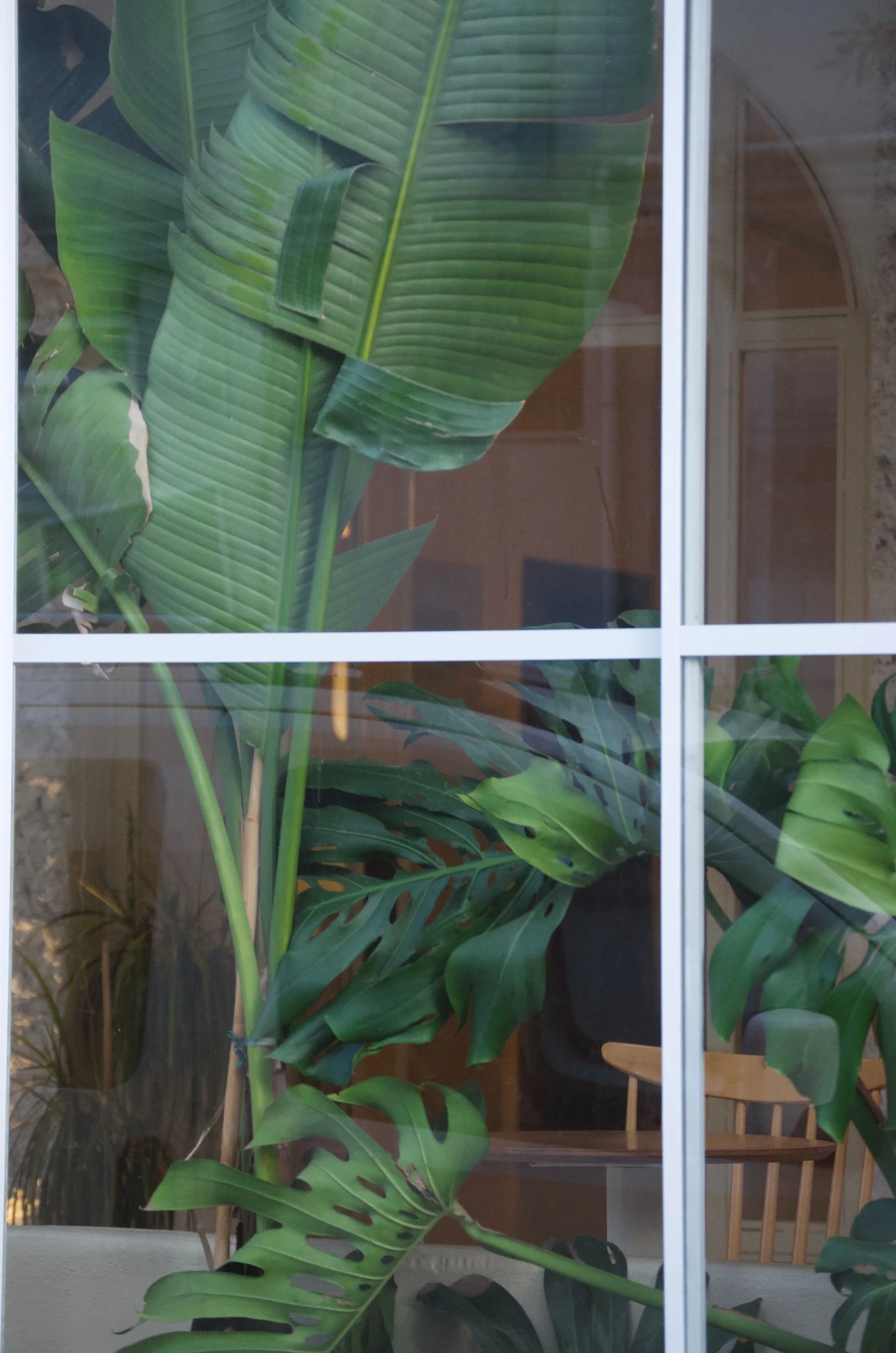
Moving a tropical plant indoors is a change in light, humidity, temperature, and pest pressure—not a single trip through the doorway. October is a useful planning point in many temperate Northern Hemisphere gardens, but the plant’s origin and the local forecast matter more than the month name. Penn State’s October 2026 guide separates plants that need a bright indoor home from those that can be stored dormant as bulbs or rhizomes.
Make an inventory before moving pots
List each plant by its common and botanical name if known, its current location, and the winter space you can actually provide. A bright, warm room may suit a tropical houseplant but not a dormant tuber. A large palm can require more light, room, and humidity than a small apartment offers. Decide which plants are worth saving before a cold night turns the move into an emergency.
Use a plant reference tied to the species. “Tropical” covers plants with different growth habits and storage needs. Some are kept growing indoors; some can be cut back and stored; some are better treated as annuals where space is limited. Do not apply one watering or pruning rule to a banana, a canna, a hibiscus, and a succulent simply because each spent summer outside.
For plants kept actively growing, prepare the indoor location first. Check light for several hours across the day, room temperature, clearance from heating vents, and access to water. Brightness at a window can fall sharply when days shorten or trees shade the glass. If supplemental lighting is needed, place it so it reaches the foliage evenly and use a timer; an ordinary dim corner is not equivalent to a greenhouse.
Bring plants in before cold damage
Find the species’ cold sensitivity and act before the forecast reaches its injury threshold. Penn State notes that many tropicals struggle when nights fall into the low 40s and should be moved before frost. That is a warning range for planning, not a universal safe temperature for every species. A sheltered wall, a cold balcony, and a clear calm night can produce different leaf temperatures from the regional forecast.
Move plants gradually when the weather gives you time. A few days in a bright, sheltered transitional area can help a plant adjust to lower light and indoor air. Avoid leaving it in a drafty vestibule or a heated car. If a cold snap is imminent, protect the plant first, then adjust its indoor routine. Do not leave an unprotected tropical outside just to complete an ideal acclimation schedule.
Before moving a pot across the threshold, inspect the leaves, stems, soil surface, and saucer for insects. Look beneath leaves for mites and at leaf joints for scale or mealybugs. Isolate newly moved plants from established houseplants while you monitor them. Wash the pot exterior and remove dead foliage or weeds that could harbor pests. If a pest is present, identify it before applying any treatment indoors.
Choose the winter method by plant group
- Keep as a houseplant: move species such as hibiscus or many palms to the brightest suitable indoor position; maintain warmth and check humidity needs.
- Store dormant: for cannas and some elephant ears, follow the species-specific guidance on lifting, drying, and storing the rhizomes or tubers.
- Take cuttings: use this only for species that root reliably from cuttings and label every cutting with the parent plant.
- Let go: if space, light, or pest control is inadequate, compost a healthy plant or dispose of diseased material using local advice rather than crowding every pot indoors.
These are planning categories, not a complete botanical list. The Penn State reference describes different procedures for palms, cannas, elephant ears, coleus, and other tropicals. Read the relevant subsection before pruning or storing a plant. In particular, a plant that needs living leaves and a bright window should not be cut down merely because a different tropical species is stored as a dormant tuber.
Make the transition easier to manage
Water the root ball if it is dry, then allow excess water to drain before placing the pot indoors. Do not move a saturated pot onto wood flooring. Remove standing water from saucers. Reduce watering to match the plant’s slower winter growth and lower light, but do not let a tropical species wilt under a schedule intended for a dormant bulb. Check soil moisture at the root zone rather than relying on a calendar.
Record the date moved, the indoor location, any pest checks, and the plant’s condition after one and three weeks. A photo from the same angle can reveal leaf drop or stretching that is easy to miss day to day. If stems elongate and leaves pale, the location may be too dim; if leaf edges scorch, the plant may be too close to dry heat or direct glass. Change one condition at a time so you can see which adjustment helped.
Spring is part of overwintering
Do not rush the plant back outdoors on the first warm afternoon. Wait until local frost risk has passed for that species, then acclimate it to outdoor light and wind over several days. Direct sun can burn foliage formed indoors, while a sudden gust can damage soft new growth. Check for pests again before setting pots near an outdoor garden bed.
Prepare the plant for next October
This guide is for frost-sensitive container plants in temperate Northern Hemisphere regions. Indoor temperature, light, heating, plant species, and local frost dates determine the plan. The Penn State guide was updated October 12, 2026 and is specific to its regional program; use a local Extension or botanical reference for species not covered there. Never use this article as a substitute for identifying the plant before cutting or storing it.
Sources and further reading
- Tropical Plants to Overwinter — Penn State Extension
Species-specific overwintering choices and timing for tropical plants, including the October 2026 update.