Edible flowers can make a garden feel generous, but a seed-saving plan needs to keep three questions separate: is the species edible, is this particular plant safe to eat, and has its seed matured enough to store? A flower sold as ornamental is not automatically food-safe. It may be a toxic species, treated with a product not labeled for edible crops, or contaminated by a nearby spray. Identify the plant and its growing history before tasting or saving seed.
Confirm identity and intended use
Use a botanical name, not just a color or common name, to verify edibility. Common names can refer to different plants, and some flowers have edible petals while their leaves, stems, or roots are not eaten. A nursery tag may identify a cultivar but does not prove that the plant was grown for food. Check a trusted Extension or food-safety reference for the exact species and plant part.
Keep culinary plants separate from ornamentals treated with pesticides or systemic products unless the label explicitly permits use on edible crops and the harvest interval has passed. If the history is unknown, do not eat the flower. Avoid collecting seed from a plant that may have been sprayed and then distributing it as a food crop. Wash hands and tools, and keep seed collection away from food preparation surfaces.
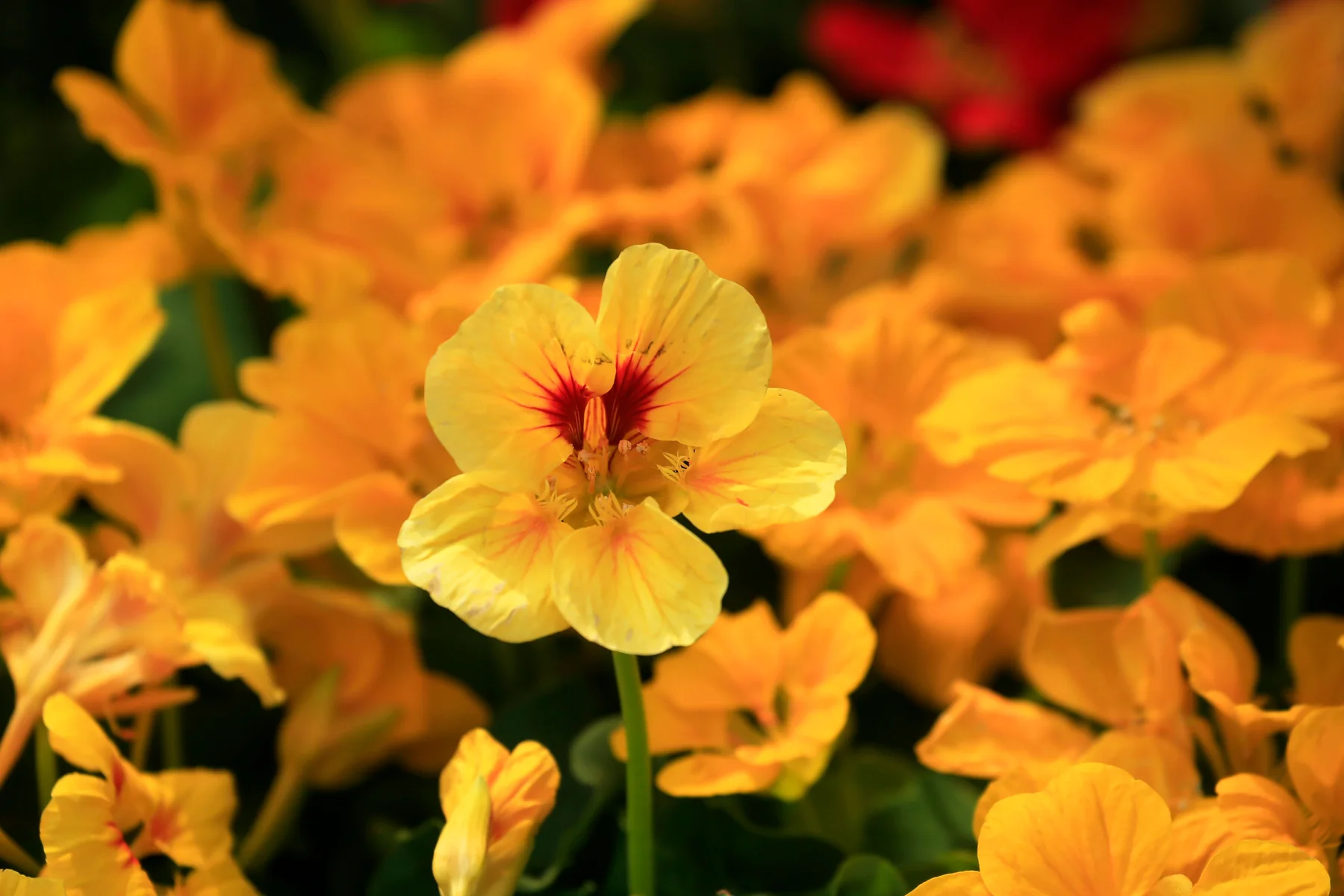
Choose a plant that fits the seed goal. Many annual flowers produce seed in dry pods or heads, while others shed seed quickly or cross with nearby cultivars. Penn State’s seed-saving guidance lists several home-garden flowers, including calendula, cosmos, nasturtium, marigold, and zinnia, but each species has its own maturity cue. A seed-saving list is not an edibility list; verify the food use separately.
Let flowers finish before cutting
If the goal is flowers for a meal, harvest only what you need and leave selected heads on the plant. Continuous deadheading can delay or prevent seed set. Mark one or two branches with a soft tag and stop cutting them. This makes it less likely that a fully spent plant is mistaken for a seed crop later in the season.
Watch the seed head for species-specific maturity. Pods often turn dry and papery; flower heads may change color and become brittle. Collect after dew has dried on a clear day, and bring a paper bag or tray so small seeds are not lost. If the pods shatter when touched, cut the branch into a bag and finish drying indoors. Do not harvest green immature seed just because frost is forecast; viability may be poor.
Keep a small sample of the parent plant’s label and take a photo of the flower, foliage, and mature seed head. That record helps confirm identity the following year, especially when seedlings are young. If the seed belongs to a hybrid cultivar, the next generation may differ in flower color or form. Label that expectation instead of promising a matching bloom.
Harvest and process in a clean sequence
- Confirm the plant: verify species and culinary status before anyone eats it.
- Mark a seed branch: choose a healthy, true-to-type plant and stop deadheading that branch.
- Wait for maturity: look for dry pods or seed heads and collect when surface dew is gone.
- Dry under cover: use a labeled paper bag or screen with airflow, away from direct heat and sun.
- Separate seed from chaff: rub or shake mature heads over a clean tray; discard damaged or moldy seed.
- Store dry: seal only after the seed is fully dry, then label plant, variety, harvest year, and source.
Do not use a food dehydrator or oven to speed drying. Excess heat can damage the embryo. A shaded, dry room with air movement is more controlled than a sunny windowsill. Check the bag after a day or two for condensation or a musty smell; if material remains damp, spread it out and continue drying.
Preserve both food safety and garden diversity
Flowers can cross-pollinate, particularly when bees visit several plants. If you want seed that resembles a named variety, check species-specific isolation guidance and note nearby compatible varieties. Bagging a bud or hand-pollinating may work for some crops, but the method differs by species. A small garden may instead accept variation and label the lot as home-saved with crossing risk unknown.
Do not eat a flower just because its seed is being saved. Some ornamental flowers and plant parts are toxic, and edible status can vary by cultivar and preparation. Use a source that names the exact plant and plant part. If someone has a suspected reaction after eating a plant, contact local poison-control or emergency services rather than trying to identify it through a seed packet.
Store, test, and share honestly
Place the dry seed in a labeled envelope inside a moisture-resistant container in a cool, dry, dark location. Keep it separate from edible dried flowers and herbs so it cannot be mistaken for food. Add a “seed, not food” note when the container could be confused. Record the harvest source and any treatment or uncertainty.
Before sowing a small lot, test a few seeds under the species’ recommended conditions. Record how many germinate and the test date. A strong paper test does not guarantee garden emergence, but it helps a grower plan tray space. If you share seed, include the exact plant name, whether the variety is hybrid or open-pollinated, and whether the plant was grown without restricted pesticide exposure.
Confirm botanical identity before collecting seed
Edibility, pesticide restrictions, seed maturity, and pollination behavior are species-specific. This article is not an edible-plant identification guide and does not make unknown ornamentals safe to eat. Verify plant and plant-part safety with a trusted local source, follow pesticide labels, and do not distribute uncertain seed as food-safe.
Sources and further reading
- Edible Flowers — Colorado State University Extension
Botanical identification, edible plant parts, pesticide-free growing, and cautions for introducing edible flowers.
- Home Garden Food Safety: Protecting Produce from Contamination — Penn State Extension
Garden hygiene and contamination prevention for produce and harvest handling.