
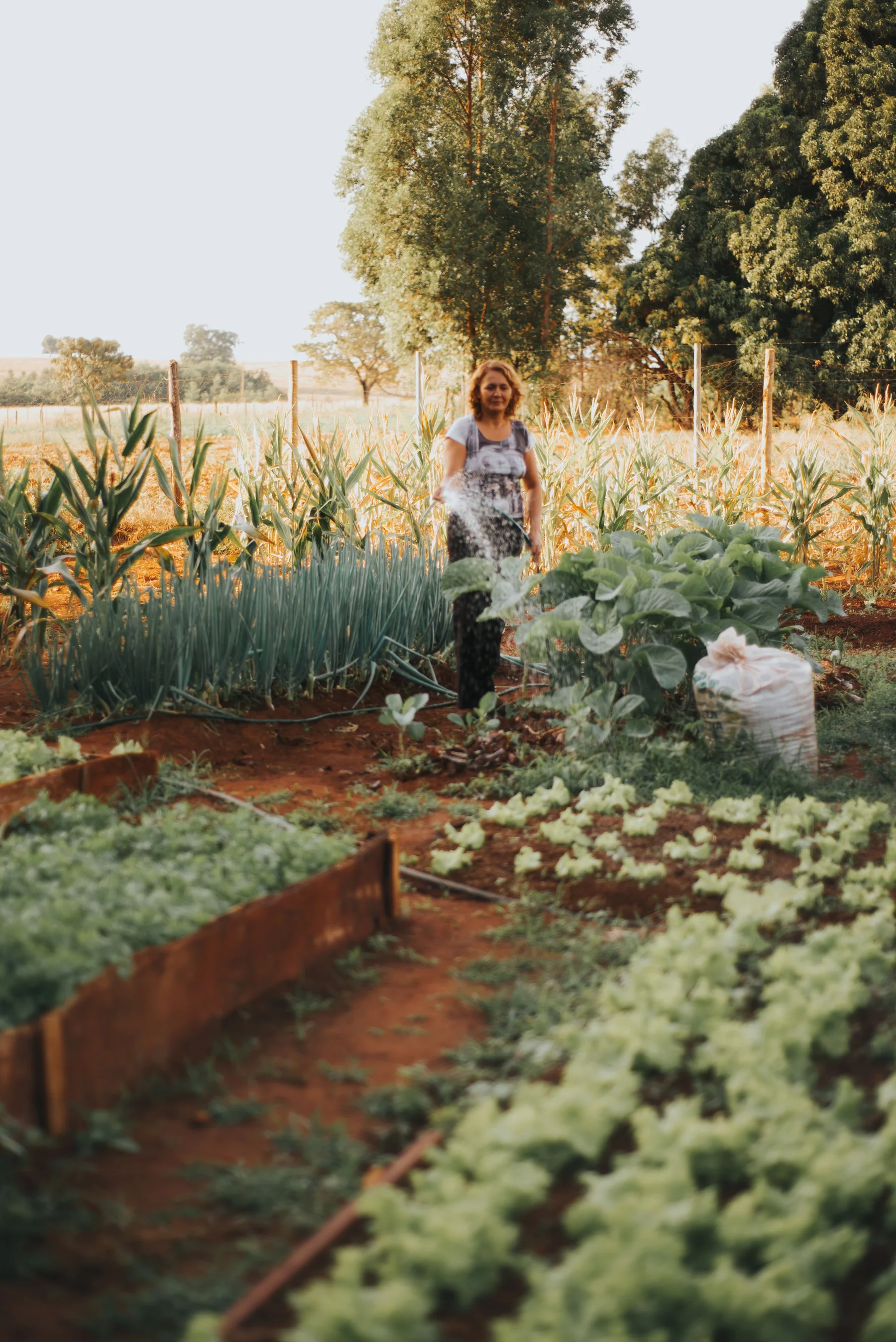
A late-summer garden reset should make room for the next useful crop without erasing the evidence of what happened. A tired container may need a different watering plan; a bed with disease may need careful sanitation; a healthy tomato vine may still hold fruit or seed worth saving. Clear only what needs to go, then use the open space and remaining season length to choose the next action.
Close the summer record before pulling plants
Photograph the bed or pots and note which crops performed, which failed, and when symptoms appeared. Record heat waves, watering gaps, fertilizer, and pest pressure. A plant that stopped producing during heat may be stressed rather than spent. If disease is suspected, identify it before composting the plant or moving its soil into another container.
Harvest mature produce and seed first. Save seed only from healthy plants, and keep each lot labeled. Remove immature fruit that can ripen indoors only when the crop permits it; do not assume every green vegetable will continue to mature after harvest. For seed heads that are nearly dry, cut and finish them indoors in a labeled paper bag if the crop-specific guidance allows it.
Sort plant material by condition. Healthy stems and leaves can go to a suitable compost or municipal green-waste program. Diseased or pest-infested material may need disposal rather than a home pile. Remove twine, clips, tags, and plastic labels before chopping or composting. A reset that leaves synthetic ties in the bed creates next year’s cleanup job.
Decide whether a second crop fits
Count backward from the local first-frost range and read the second crop’s days to maturity. Add time for shortening days and cooler soil. Leafy greens, radishes, or herbs may produce a useful baby-leaf harvest when there is not enough time for a full-size crop. If the window is too short, cover the soil with a clean mulch or a suitable cover crop rather than sowing a crop that cannot mature.
Check the actual space. A new seedling tray does not help if every container remains occupied by a perennial or a heavy pot that cannot be moved. Remove root-bound or diseased plants only after considering the next use of the pot. A late-summer reset can mean changing one container, not stripping the entire balcony.
Before replanting, inspect the medium and drainage. Remove large roots and check for odor, salt crust, pests, or standing water. Use a soil or media test if repeated fertilizer or compost additions have accumulated. Do not add a fresh layer of compost by reflex; high salts and nutrients can harm seedlings. Reuse only mix from a healthy crop and keep uncertain material separate.
A targeted reset checklist
- Harvest: collect mature food and seed before removing healthy plants.
- Diagnose: photograph symptoms and identify disease or pests before composting.
- Clear: remove spent stems, ties, labels, and debris while preserving desired habitat.
- Plan: compare local frost timing with a crop-specific maturity estimate.
- Refresh: test or replace container medium only when its condition calls for it.
- Protect: mulch or cover healthy soil where a second crop will not fit.
Prepare for a cool-season planting
Choose a crop that germinates and grows in the expected conditions. Lettuce can bolt in summer heat and perform better as temperatures cool, but short days later in autumn slow growth. A light shade cloth can help a summer sowing, while a frost cover may extend harvest later; those are different jobs and the material must be removed or vented when conditions change.
Sow in a clean container or prepared bed. Remove crop residue that could interfere with emergence and wait if the soil is too hot or dry. If the previous crop had a disease, follow local rotation and sanitation guidance. The same family planted into the same small pot may encounter the same pest or pathogen again.
Improve the next season rather than repeat it
Compare the space used with the harvest received. If one pot required constant watering, consider a larger container, a more appropriate mix, shade during the hottest hours, or a crop with lower water demand. If a trellis shaded herbs, redraw the layout. If pollinators visited a late-flowering plant, note the species and date without claiming it caused a yield increase.
Update the seed inventory and order only what fits next season’s plan. Label saved seed with variety, harvest year, parent plant, and pollination uncertainty. A small germination test over winter can help decide whether an old packet deserves tray space. Keep purchased and home-saved lots separate so the result is interpretable.
Choose a winter endpoint
Some pots can remain outdoors with mulch or a hardy cover crop; others need to be emptied, moved, or protected. Container roots are more exposed than bed soil, and a winter-hardy crop in the ground may not survive in an exposed pot. Drain rain barrels and hoses before freezing weather. Keep leaves or stems for pollinator habitat only in safe, designated areas where they do not block paths or drains.
Choose the first October task from the garden record
Second-crop timing, frost risk, disease disposal, and overwintering depend on local climate and species. Use a regional planting calendar and current forecast. This reset is a planning framework, not a promise of a fall harvest or a disease diagnosis. Follow building and water rules for containers and rain systems.
Sources and further reading
- Planting vegetables in midsummer for fall harvest — University of Minnesota Extension
Fall harvest windows, succession planting, and changing summer crop conditions.
- Fall Garden Tasks — Penn State Extension
Fall cleanup, disease removal, cover crops, and plants that can remain for habitat.