
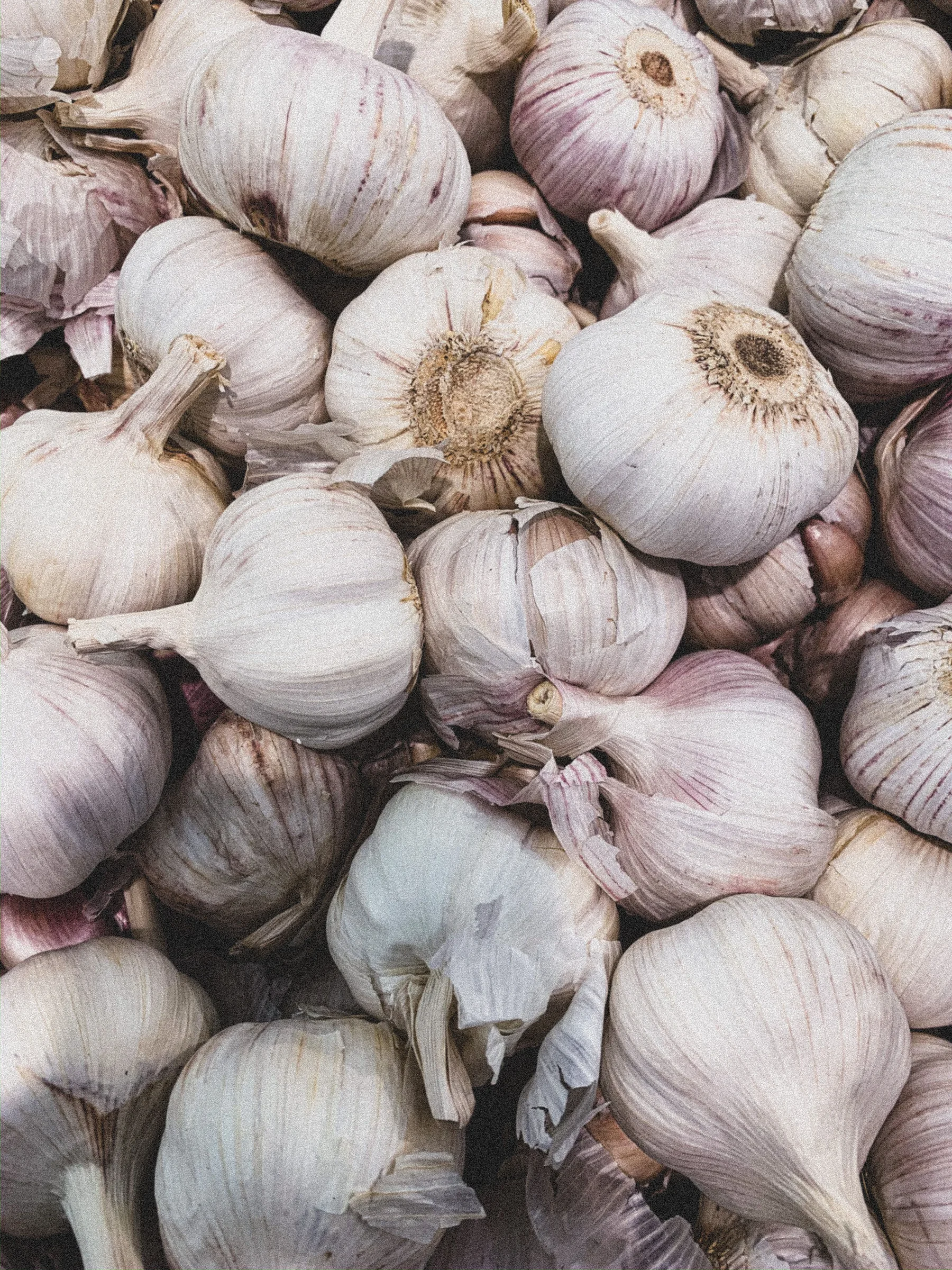
October is a useful reminder that “fall planting” is a regional decision, not a date that travels unchanged across a continent. Garlic needs time to make roots before deep winter, but a warm October in a mild coastal garden is not the same signal as a cold inland bed. For a small garden, the practical question is whether the soil is workable, drainage is sound, and the local planting window still leaves a period for root growth without encouraging a tall, exposed shoot.
Start with the local calendar, then read the bed
University recommendations intentionally differ. Minnesota Extension places planting roughly one or two weeks after the first killing frost in its cold climate. Oregon guidance gives a much broader September-to-November window, then narrows it by region. Those are not contradictions: they describe different climates, cultivars, and growing seasons. If a county Extension or nearby garlic grower has a planting window for your area, use that first. A national hardiness zone alone cannot tell you when the soil cools or when a persistent freeze arrives.
October 17 is a publication date for this guide, not a universal planting deadline. A gardener in a maritime climate may still have workable ground; a gardener at higher elevation or farther north may already be past the locally advised window. If the recommended window has closed, ask a local Extension office whether late planting is worth attempting. Do not compensate for a late start by planting into saturated soil or by burying cloves unusually deep.
Before opening a bulb, check three conditions at the bed. The soil should crumble rather than smear into a ribbon when squeezed. Water should drain away instead of standing around the future root zone. The site should receive strong direct light during the growing season. If the bed is waterlogged, compacted, or shaded, solve that siting problem first; extra fertilizer cannot correct poor drainage or missing light.
Buy or select planting cloves with the next harvest in mind
Garlic is propagated from cloves, not botanical seed. Each clove is a small division of the parent bulb, so the bulb’s health and adaptation matter. Choose firm, intact cloves from a reputable seed-garlic grower or a known local source. Grocery bulbs may be treated to suppress sprouting, and a variety raised in a warmer region may not perform well in a colder garden. Ask the supplier for the cultivar name, harvest year, and the climate where it was grown.
Separate the bulb shortly before planting. Leave the papery wrapper around each clove and discard cloves that are soft, moldy, bruised, or markedly undersized. Keep the largest sound cloves for planting and save smaller cloves for the kitchen. That is a practical selection, not a promise that every large clove produces a large bulb: moisture, soil structure, variety, and spring growth still influence the result.
If you are growing several cultivars, keep them labeled from the moment you separate the bulbs. A simple row marker and a sketch prevent a common small-bed mistake: forgetting which variety occupies which short row after winter. Record the source and planting date on the same label so next summer’s harvest can inform next autumn’s choice.
Plant into a prepared root zone
Remove weeds and loosen the bed enough for roots and expanding bulbs; garlic competes poorly with weeds early in growth. Use a soil test before adding lime or concentrated fertilizer. Recommendations vary with existing soil fertility, and repeated blanket applications can build up phosphorus or salts. Well-finished compost may improve structure, but fresh manure can introduce contamination and weed seeds. Work amendments into the bed according to the soil test rather than placing strong fertilizer in direct contact with a clove.
For a cold-climate reference, Minnesota Extension describes placing cloves pointed side up with the base about two to three inches below the surface and using several inches of loose mulch. Oregon State gives a shallower two-inch depth for its guidance. These values should not be averaged into one “correct” depth: local soil texture, winter severity, mulch, and cultivar affect recommendations. Follow the regional source that matches your garden, and keep the clove upright so the emerging shoot has a clear path.
In a container, depth and drainage become the limiting factors. Use a deep pot with open drainage holes and a potting medium that does not collapse into a dense, waterlogged mass. A shallow decorative bowl is a poor substitute for a garden bed. On a balcony, check wind exposure and the container’s weight after watering; winter rain can keep a pot wetter than expected even while the plant is dormant.
A short planting checklist
- Confirm the local planting window with a nearby Extension service or experienced regional grower; treat the frost date as a clue, not a universal command.
- Choose firm, locally adapted seed garlic and label every cultivar before the cloves are mixed.
- Plant only into a sunny, well-drained bed or a deep container with working drainage holes.
- Use soil-test results to guide pH and fertility changes; do not improvise a strong fertilizer dose at the clove.
- Record cultivar, source, date, spacing, depth, and mulch so the summer harvest can be evaluated honestly.
After the cloves are in
Water once if the soil is dry enough to need it, then let rainfall and the bed’s drainage determine the next check. The goal is moist soil around the cloves, not a permanently wet pocket. A loose mulch layer can moderate temperature swings and suppress weeds; do not pack a heavy, wet mat against the bed or assume a fixed thickness is right for every region. Recheck mulch after high winds and after the first hard freeze.
In spring, garlic’s needs change. Remove or thin mulch if it is delaying warming in your climate, watch for weeds before they overtake the narrow rows, and follow local guidance for any spring nitrogen. Do not keep feeding simply because leaves look pale; poor drainage, cold soil, disease, and nutrient imbalance can look similar. Photograph a symptom and seek a diagnostic opinion before treating the whole planting.
The useful October outcome is a recorded decision, not a perfect calendar date. If the crop succeeds, keep the variety and timing note. If cloves emerge too early, rot, or fail to bulb, write down the conditions rather than assuming the whole method is wrong. Local timing becomes more useful when it is connected to the actual bed, cultivar, and winter you experienced.
Keep a note of the local planting window
Garlic planting dates, mulch, depth, variety choice, and fertilizer are regional decisions. Minnesota and Oregon examples in the linked sources serve different climates and are not interchangeable. Coastal gardeners, warm-winter gardeners, high-elevation growers, and gardeners in the Southern Hemisphere should consult local seasonal guidance. This article covers planting cloves for a bulb crop; it is not advice for elephant garlic, which is a different crop, or for diagnosing garlic disease.
Sources and further reading
- Growing garlic in home gardens — University of Minnesota Extension
Minnesota planting cues, cultivar choice, clove depth, mulch, and local disease considerations.
- Fall is the best time to plant garlic in Oregon — Oregon State University Extension
Oregon’s broader fall planting season and the need to match timing and care to regional conditions.