
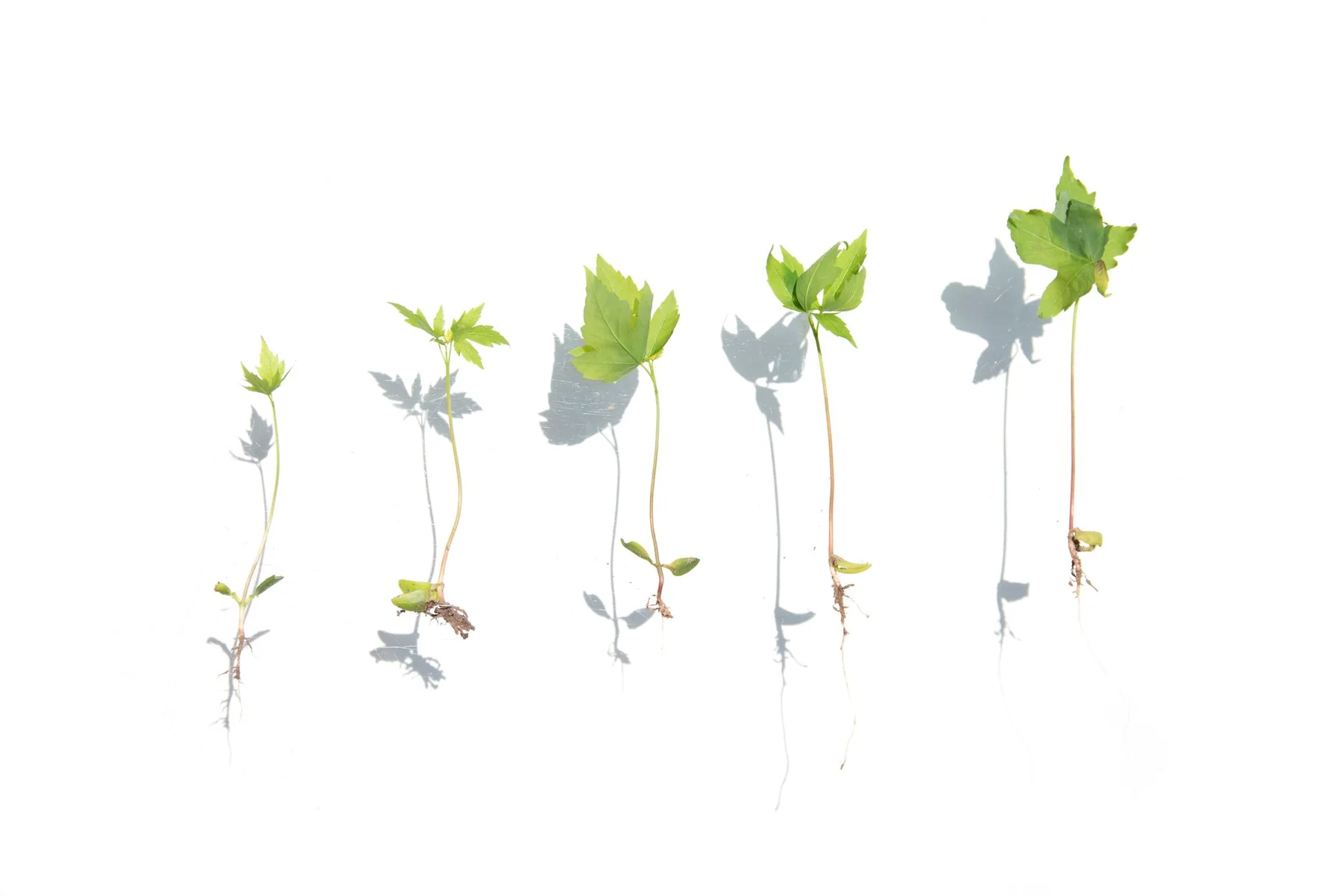
Succession sowing is often reduced to “plant another row every two weeks.” That interval can be useful for a fast crop in a steady season, but it is a poor universal calendar. A tiny garden has limited bed space, crops mature at different speeds, and heat or shortening days can change both germination and quality. A useful chart links the next sowing to the expected harvest window and the space that will actually be free.
Start with a crop and a harvest goal
Choose what you want to eat, how often you use it, and how much room it occupies. A household that eats lettuce daily may want small repeat sowings; a household that cooks beans in batches may prefer one larger planting. The goal is a manageable harvest, not the highest possible number of rows. For seed saving, reserve a separate plant or bed space so the crop can mature beyond the eating stage.
Read the seed packet for days to maturity, germination range, and whether the timing begins at sowing or transplanting. Treat that number as a planning estimate under favorable conditions. Hot soil can interfere with lettuce germination; cool weather can slow a warm-season crop; a stressed plant may mature later than the packet suggests. Add a local buffer based on past experience instead of copying the catalog date exactly.
Count backward from a local constraint: first frost for a tender crop, the hottest part of summer for lettuce, or the date a container needs to be cleared for another use. Then calculate when a sowing must begin so it has time to establish. For a fall crop, subtract both days to maturity and a weather buffer from the expected end of the season. If the result is earlier than today, choose a faster crop or shift the goal from full maturity to baby leaves.
Map the space as a sequence, not a list
Draw each bed or container as a simple rectangle and mark the current crop, its expected harvest range, and the next crop’s sowing location. Do not schedule a second seedling tray if there is nowhere to transplant it. In a balcony garden, the “bed” may be one large pot that cannot be moved while full; note the pot’s weight and whether it can be replanted without disturbing roots.
Overlapping crops can make a small space more productive, but they also complicate light and water. A slow crop may share space with a quick radish or leaf crop only if roots and canopy have room. Do not assume companion planting increases yield. The useful test is whether the short crop can be harvested before it shades or competes with the main crop.
Build the chart with five fields
- Crop and variety: include cultivar, packet age, and direct-sow or transplant method.
- Sow date: record the actual day, not just “early fall.”
- Expected window: use packet maturity as an estimate and add a local weather buffer.
- Space released: identify which pot or bed will be available and when.
- Decision trigger: write what observation starts the next sowing, such as first true leaves, harvest of the outer leaves, or a measured soil temperature.
The trigger can be a plant stage instead of a fixed date. For example, sow a small second tray when the first seedlings have emerged and the next container is likely to be cleared. This adjusts naturally when germination is slow. For crops that mature quickly, use a smaller interval; for long-season fruiting crops, succession may mean starting a replacement plant before the first one declines rather than repeating a weekly sowing.
Use a calendar that can change
In spring, soil may be workable before it is warm enough for every crop. Cold-tolerant greens and peas can fit an earlier slot than beans or basil. In summer, heat can cause lettuce to bolt or taste bitter, so repeating the same sowing in July may produce less useful leaves than changing to a heat-tolerant variety, adding shade, or pausing. In fall, shorter days slow growth, so the same packet maturity can take longer than it did in June.
Check the forecast and local frost information before committing the final sowing. Frost dates are probabilities based on past weather, not guarantees. A container can cool faster than a bed, while a sheltered wall can create a warmer pocket. Use your own observations plus local Extension guidance; do not treat a national calendar as a site-specific forecast.
Review the chart after each harvest
Record when the crop actually produced usable food and how much. If a planned second sowing was too early, seedlings may have competed for limited light or pots. If it was too late, the next crop may have missed the growing window. Note germination failures separately from weather delays. A chart that records only what was planted cannot explain what happened.
Use one season to compare intervals for one crop. Sow two small batches a week apart, then note harvest timing and quality. Keep other conditions similar: same variety, container, light, and watering. This is not a controlled research trial, but it is a practical household comparison. Do not claim that a result from one balcony will apply to every region.
An example without a universal date
Suppose a grower wants baby greens before a local freeze and has one container occupied by summer herbs. They can estimate the day the herb pot will be cleared, read the greens packet, add time for shorter autumn days, and decide whether a shallow tray can start earlier. If the window is short, choose a quick leaf harvest rather than waiting for a full-size head. Record the decision and actual frost date for next year.
Revise the interval from the previous harvest
Crop calendars depend on latitude, elevation, season length, soil temperature, cultivar, container exposure, and first-frost probability. The cited Extension calendars are regional examples, not a continent-wide schedule. Check a local planting guide and current forecast before sowing. This chart is a planning aid, not a promise of harvest dates.
Sources and further reading
- Planting vegetables in midsummer for fall harvest — University of Minnesota Extension
Succession timing, fall crop windows, heat effects on lettuce, and space turnover.
- Crop and field planning tools for vegetable farmers — University of Minnesota Extension
Regional crop timing and harvest windows; its Minnesota dates are not universal.