
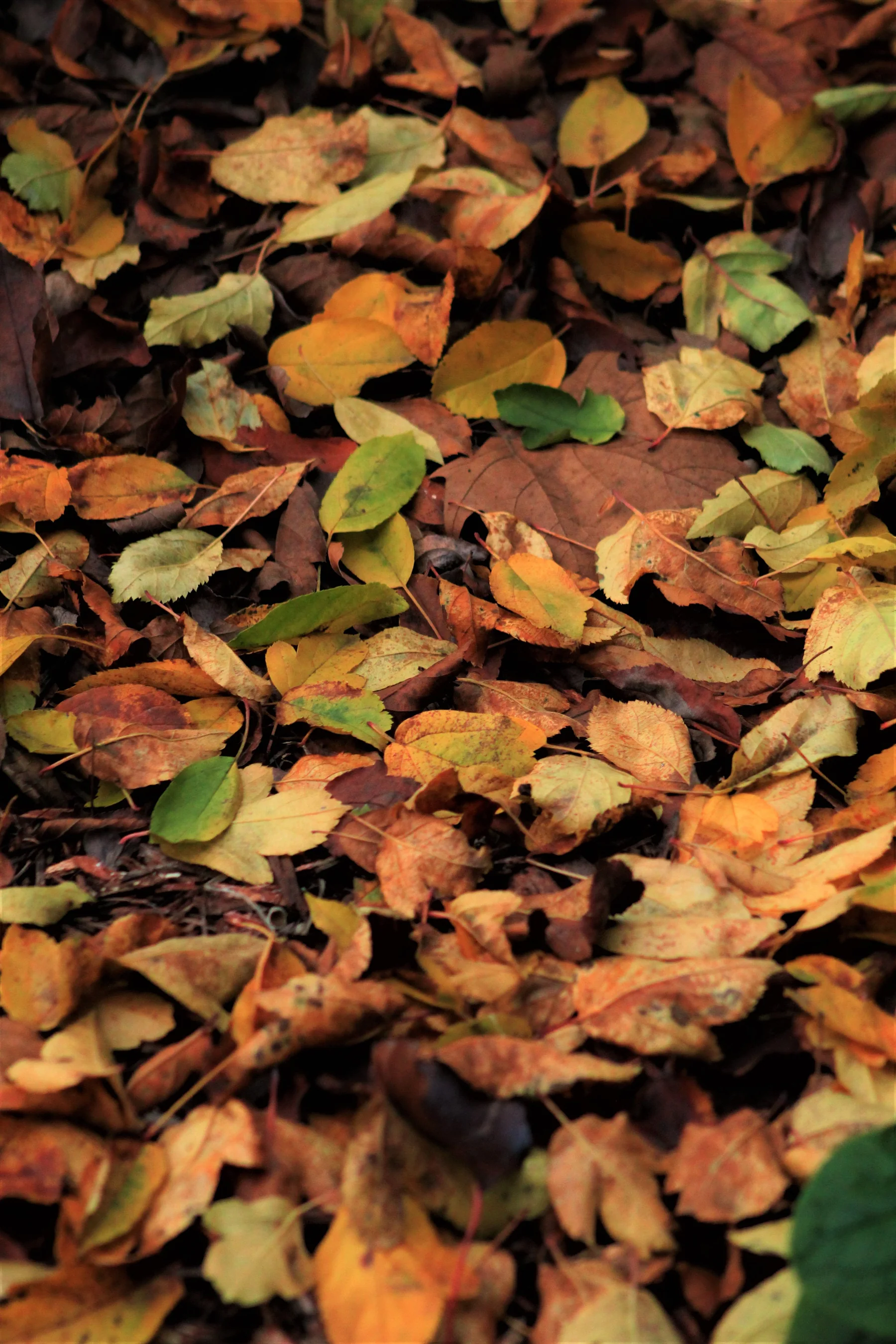
Leaf mold is decomposed leaf material, not a shortcut name for finished compost. It can be useful in a courtyard where autumn leaves are plentiful and storage space is scarce, but it takes time and has a different nutrient profile from a balanced potting medium. The practical value is often as a moisture-retaining soil amendment or surface mulch after it has broken down, not as a complete fertilizer for container vegetables.
Sort leaves before storing them
Collect leaves from a site where you know they were not recently treated with herbicide or contaminated with road salt, pet waste, or heavy litter. Avoid diseased leaves when a local plant-health recommendation says the pathogen persists in debris. Do not gather leaves from a public park or a neighbor’s property without permission. A small courtyard batch should come from a traceable source rather than an unknown pile beside a busy street.
Different tree leaves break down at different rates. Soft leaves from many deciduous species shred and settle faster than thick, waxy leaves. Whole leaves can mat into a dense sheet that blocks air and water. Shred them with a mower or pruners if available, then place them in a breathable bin or a contained mesh enclosure. Avoid a sealed plastic bag unless it has adequate air exchange; an anaerobic, sour mass is not the same product as crumbly leaf mold.
Moisture is the main management check. The leaves should feel damp like a wrung-out sponge, not drip when squeezed. Dry piles can sit for a long time with little change; waterlogged piles can compact and smell. If a courtyard receives heavy rain, put the bin where water can drain and cover only the top enough to reduce saturation. If it is exposed to hot, dry wind, check moisture more often.
Give decomposition time and room
Leaf mold is made mainly by fungi and other decomposers, and it usually takes many months to develop. A small, densely packed pile may take longer than a larger, airy one. Turn or loosen the leaves occasionally if the pile has compacted, but do not expect frequent turning to produce a finished material in a few weeks. Keep a label with the start date and leaf source so an old pile does not become an unexplained amendment.
When the material is ready, it should be dark, crumbly, and recognizable only as fragments of leaves rather than a stack of intact blades. Some coarse pieces can remain; screen them out if you want a fine seed-starting texture, then return the coarse fraction to the pile. Leaf mold can hold water and improve structure, but it is generally low in readily available nutrients. Do not count it as the sole feed for a fruiting tomato or pepper.
Use it where its properties help
- Surface mulch: apply a loose layer around established plants, keeping it away from stems that are prone to rot.
- Garden-bed amendment: mix a modest amount into soil when local soil-test guidance and texture indicate a need for organic matter.
- Potting blend ingredient: use only as a component of a container medium; check drainage and water retention in a small trial pot first.
- Coarse unfinished material: return it to the pile instead of burying it under a seed row or using it as a fine seed-starting medium.
- Unknown or diseased leaves: keep them out of a home batch until you have checked local disposal and pathogen guidance.
In containers, a mix that retains more water can be useful on a hot, windy balcony but troublesome on a shady patio that stays wet. Combine a small measured amount with a commercial container mix and compare two identical pots. Water both the same way and check drainage after several irrigations. If the leaf mold makes the mix heavy or slow to drain, reduce its proportion rather than adding gravel at the bottom of the pot.
Keep the pile useful in a shared space
Choose a compact, lidded or screened container that discourages rodents while still allowing air exchange. Keep it off an emergency path and away from doors or vents. Post a small label with what can go in: leaves only, no food scraps or pet waste. A courtyard leaf pile should not become an unmanaged compost heap that attracts pests or produces runoff. Ask the building manager before placing a bin in shared space.
If residents contribute leaves, do not mix them until the source and condition are known. Leaves collected under a diseased tree can contaminate a whole small batch. Keep separate batches or decline questionable material. Record who is responsible for checking moisture and emptying the bin; a communal project without a caretaker tends to become a wet, compacted bag behind the shed.
Know when to test or adjust
If plants grown in a leaf-mold blend show weak growth, do not assume they need more leaf mold. Check root health, watering, light, and nutrient needs. A soil or media test can clarify pH and nutrient levels, though testing availability differs for container mixes. Add fertilizer only when the crop and evidence support it. Leaf mold is a physical amendment and moisture buffer, not a universal remedy for every poor pot.
Wait for a loose, dark, crumbly finish
Decomposition time and final texture vary by tree species, pile size, moisture, and climate. This article does not endorse using material from roadside, treated, or diseased trees. Local Extension and municipal composting rules should guide disposal. Use leaf mold cautiously in containers and test a small batch before replacing a proven potting mix.
Sources and further reading
- Mulching for soil and garden health — University of Minnesota Extension
How organic mulches and leaves affect moisture, soil structure, and garden maintenance.
- Home Composting: A Guide for Home Gardeners — Penn State Extension
How to recognize a finished home compost pile and use finished compost as a garden amendment.