
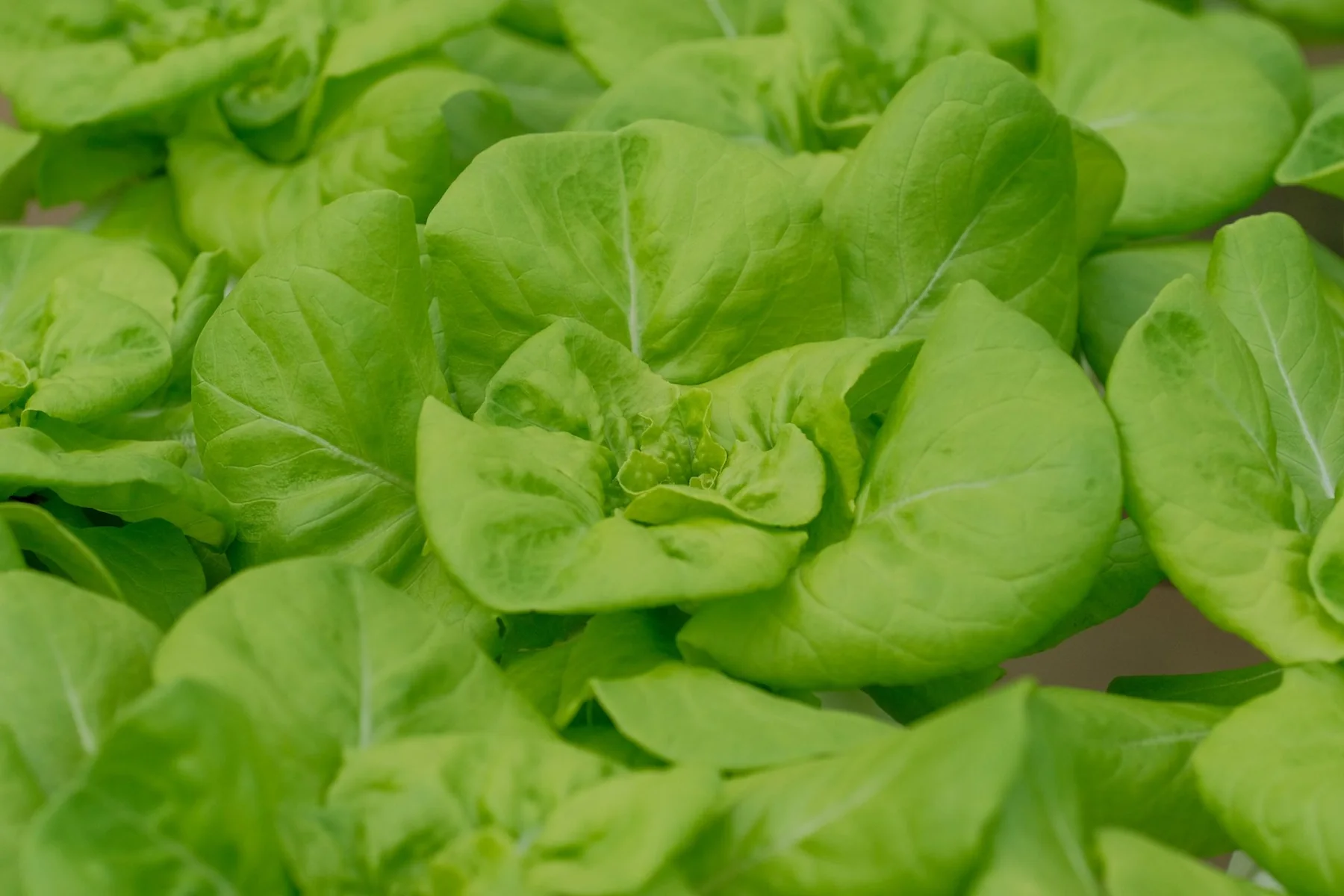
Lettuce can produce far more seed than a salad gardener needs, but saving it asks the grower to let one plant leave the leafy stage. A lettuce plant that bolts is often treated as a failure; for seed saving, bolting is the beginning of the second task. The challenge in a small garden is reserving space for flowering, protecting the seed from wind and rain, and keeping the lot separate from varieties that may cross.
Pick a plant before heat or bitter leaves decide for you
Choose a healthy plant from an open-pollinated variety if you want the next generation to resemble the current crop. Select for traits you can observe and value: leaf texture, color, compactness, or performance in your local season. Avoid a plant that is diseased or severely stressed. If the packet says hybrid, expect variation in the offspring and label the saved seed accordingly.
Plan for a tall flowering stalk. A lettuce plant left to flower can occupy more vertical space than the compact salad rosette. In a raised bed, mark one plant and keep a small clearance around it. In a container, use a stable pot deep enough to support the mature plant and secure it against wind. Do not place the stalk where it shades all neighboring greens or blocks a walkway.
Lettuce is primarily self-pollinating, which makes it accessible for home seed saving, but crossing can occur when compatible varieties flower together and insects move between them. If you need a named variety to remain true, consult a regional seed-saving source about isolation distance or flower protection. If the garden cannot provide isolation, save a small lot for personal experimentation and note the risk rather than calling it pure.
Let the seed head mature in stages
Flowers open in clusters along the stalk and do not all mature at once. Watch for the pale, fluffy pappus that emerges as individual seed heads mature. Seeds can disperse on the wind soon after they are ready, so waiting for the entire plant to turn brown may lose the first mature seed. A paper bag or mesh seed bag over selected clusters can catch seed, but it must allow airflow and should not trap moisture after rain.
Harvest when clusters begin to dry and the seed is fully formed. Cut a small branch into a labeled paper bag on a dry day, then continue drying indoors. If you cut too early, immature seed may not finish properly. If you wait too long, seed will scatter. A few short harvests often work better than trying to collect the whole plant once.
Use a clean tray to separate seed from fluff. Gently rub the dried heads and winnow away the light chaff outdoors on a calm day or over a larger container. Avoid a strong fan that can blow seed across the room. Keep seed from different plants or harvest dates in separate envelopes until you have decided whether to combine them.
A small-space lettuce seed sequence
- Choose one parent plant: note the variety, sowing date, and why it was selected.
- Reserve a corner: allow the stalk to flower without crowding the salad bed.
- Check nearby varieties: record any lettuce or compatible flowering source that could affect the lot.
- Bag or collect in stages: protect selected flower clusters and harvest dry heads before seed disperses.
- Dry and clean: use a labeled bag, airflow, and a shallow tray; remove chaff without losing seed.
- Test next season: count a small sample and record germination before dedicating a whole pot.
Keep a backup salad crop
The seed plant’s leaves may become bitter or tough as it flowers, so do not rely on it for meals. Sow a separate small tray or container for harvest. This also prevents the common mistake of cutting the marked plant because the salad bed is running low. A removable label is easy to lose; use a second tag in the pot and a line in the garden map.
Temperature and day length influence bolting. A spring plant may bolt sooner as days lengthen and heat rises, while a heat-tolerant variety may delay the transition. That trait is worth recording, but one season does not prove a variety is universally slow to bolt. Note weather, shade, and watering so you can compare similar plantings next year.
Tall stalks can lean or break before the seed is ready, especially in an exposed pot. Add a narrow stake while the stalk is still flexible and tie it loosely below the flowering branches. Check that a mesh or paper seed bag does not rub against the stalk or collect rainwater. Support the plant without tying several varieties together, so each seed lot stays identifiable through harvest.
Store a clean, traceable lot
Allow seed to dry fully before sealing it. Store it in a paper envelope inside an airtight container in a cool, dry, dark spot. Write variety, parent plant, harvest date, and pollination notes on both the packet and your digital record. If seed was collected from a plant with uncertain identity or nearby varieties, mark that uncertainty in large print so it travels with the packet.
Protect the seed stalk without losing the salad crop
Lettuce seed production depends on variety, flowering weather, pollinator activity, and isolation. Small-garden seed lots can represent only a few parent plants. Use a seed-production reference for your region if varietal purity matters, and do not distribute an uncertain lot as certified or guaranteed true to type.
Sources and further reading
- Seed Saving Basics — Penn State Extension
Lettuce as a home seed-saving crop and general seed maturity, drying, and storage.
- Saving vegetable seeds — University of Minnesota Extension
General guidance to prefer open-pollinated varieties over hybrids and distinguish self-pollinated from cross-pollinated crops.