
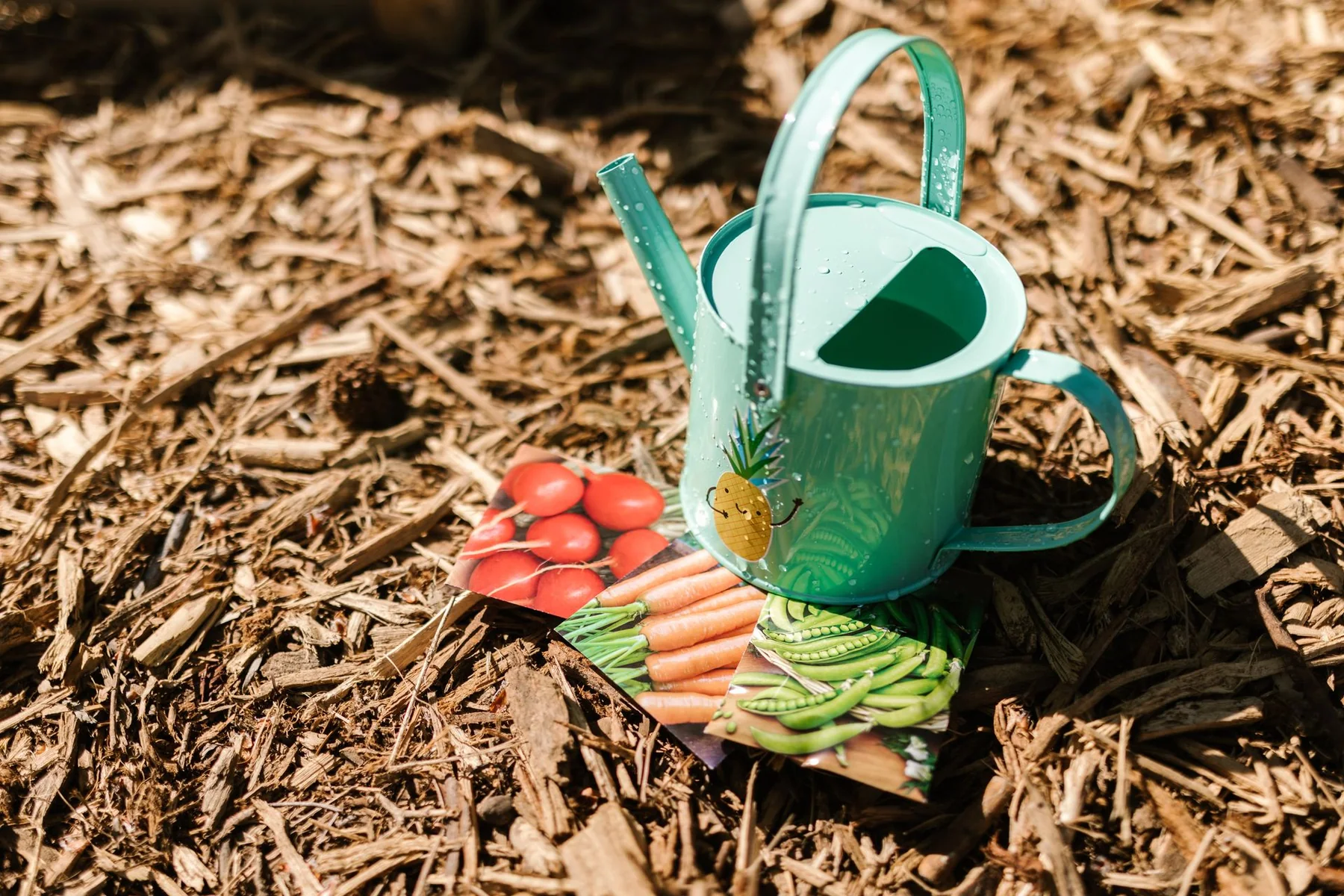
An autumn seed inventory is less about making a perfect spreadsheet than deciding what the next garden can actually use. Packets often accumulate faster than the number of pots, days of light, and hours available to sow them. A winter reset lets a grower remove empty packets, identify old lots, and connect each seed to a planned space before spring orders begin.
Empty the box and preserve the labels
Work over a clean table and keep one crop group at a time. Photograph packet fronts and backs before sorting, especially for varieties with instructions that may be lost when the packet tears. Record the exact name, supplier, lot number, and any germination date printed on the label. Do not combine several partial packets simply because they share a crop name.
Sort into four groups: planned for next season, worth testing, shareable with a clear identity, and uncertain or discard. A fifth group can hold seed saved at home that needs a germination or disease-risk check. Keep hybrid seed separate from open-pollinated lots and mark unknown status plainly. A colorful packet does not prove that the seed is fresh or true to type.
Check for moisture, mold, insects, and damaged packaging. Isolate a packet with visible pests; do not shake it over the rest of the collection. If seed is damp or moldy, remove it from the storage container and investigate the source of moisture. A desiccant cannot repair a lot that was sealed while wet, and chemical treatment should not be guessed at.
Match packets to real growing capacity
For each planned crop, note the container or bed, available direct-light hours, season length, and who will care for it during travel or school breaks. Compare the packet’s days to maturity and sowing instructions with local frost dates and current seasonal guidance. A seed packet can be saved for a later year if stored correctly; buying more seed does not create more balcony space.
Estimate how much seed you need. A small planter may need only a few lettuce seeds at a time, while a community bed may use a full row. Mark the planned quantity and leave the remainder sealed. If a packet contains seed from multiple years, keep the oldest portion separate if possible so a poor germination result does not obscure the newer lot.
Use the winter period to check whether a variety fits the site. Note the previous season’s light, harvest, water use, and pest issues. If a tomato failed because the balcony received too little light, do not reorder it without changing the site or choosing a more suitable crop. If a crop performed well only after repeated watering, decide whether that workload fits next year’s routine.
A compact inventory with useful fields
- Identity: crop, variety, source, lot, and hybrid or open-pollinated status where known.
- Age: purchase or harvest year and the date of any germination test.
- Condition: dry, intact, pest-free, and stored in a named location.
- Plan: target bed or pot, sowing method, estimated quantity, and local timing source.
- Result: emergence count, harvest window, quality, and reason to repeat or retire the lot.
- Decision: plant, test, share with caveat, store, or discard; include who made the decision.
Keep the inventory in a format that works when the internet is unavailable. A spreadsheet is useful for filtering by crop and year, but one printed index card in the storage box helps a family member find the right packet. Use the same ID on the packet and in the file. Back up a digital inventory to an approved place and do not store personal data about community donors in a public folder.
Store seed for the season ahead
Seeds last longer when dry, cool, and protected from light, but longevity differs by species and storage conditions. Place paper packets inside a sealed container once the seed is fully dry. Avoid the garage, attic, or kitchen windowsill where temperature and humidity swing. If using a refrigerator, keep packets sealed and allow the container to warm before opening to reduce condensation.
Do not write “expires next year” on every packet unless that date comes from the supplier or a crop-specific source. Instead, record the harvest or test date and plan to retest older seed. A germination result estimates a lot under its test conditions; it does not guarantee outdoor emergence. Use the result to adjust seed quantity or replace the lot before a narrow planting window.
When a test is worthwhile, label the sample with the same lot ID as the packet and count how many seeds you placed in the test. Keep the remaining seed sealed and return it to storage after the sample is set up. That small record prevents a successful test from being mistaken for proof that every seed in a mixed or older packet will perform identically.
Retire with a record, not regret
Discard empty, moldy, or unidentified packets according to local waste guidance. If a seed lot has uncertain identity but is safe to sow, label it as an experiment and keep it out of the named-variety collection. Share only lots with adequate source information and no unresolved plant-health concern. A small, well-labeled seed box is more useful than a large collection whose contents cannot be trusted.
Set a review date before the next sowing season
This reset is designed for household and community gardeners. It does not certify seed quality or meet commercial seed labeling standards. Variety longevity, storage, plant-health restrictions, and sowing dates are crop- and region-specific; use supplier information and local Extension guidance when making a planting decision.
Sources and further reading
- Seed Saving Basics — Penn State Extension
Seed storage, harvest dates, labeling, and home germination planning.
- Seed and Seedling Biology — Penn State Extension
Seed viability, dormancy, and germination testing before sowing.