
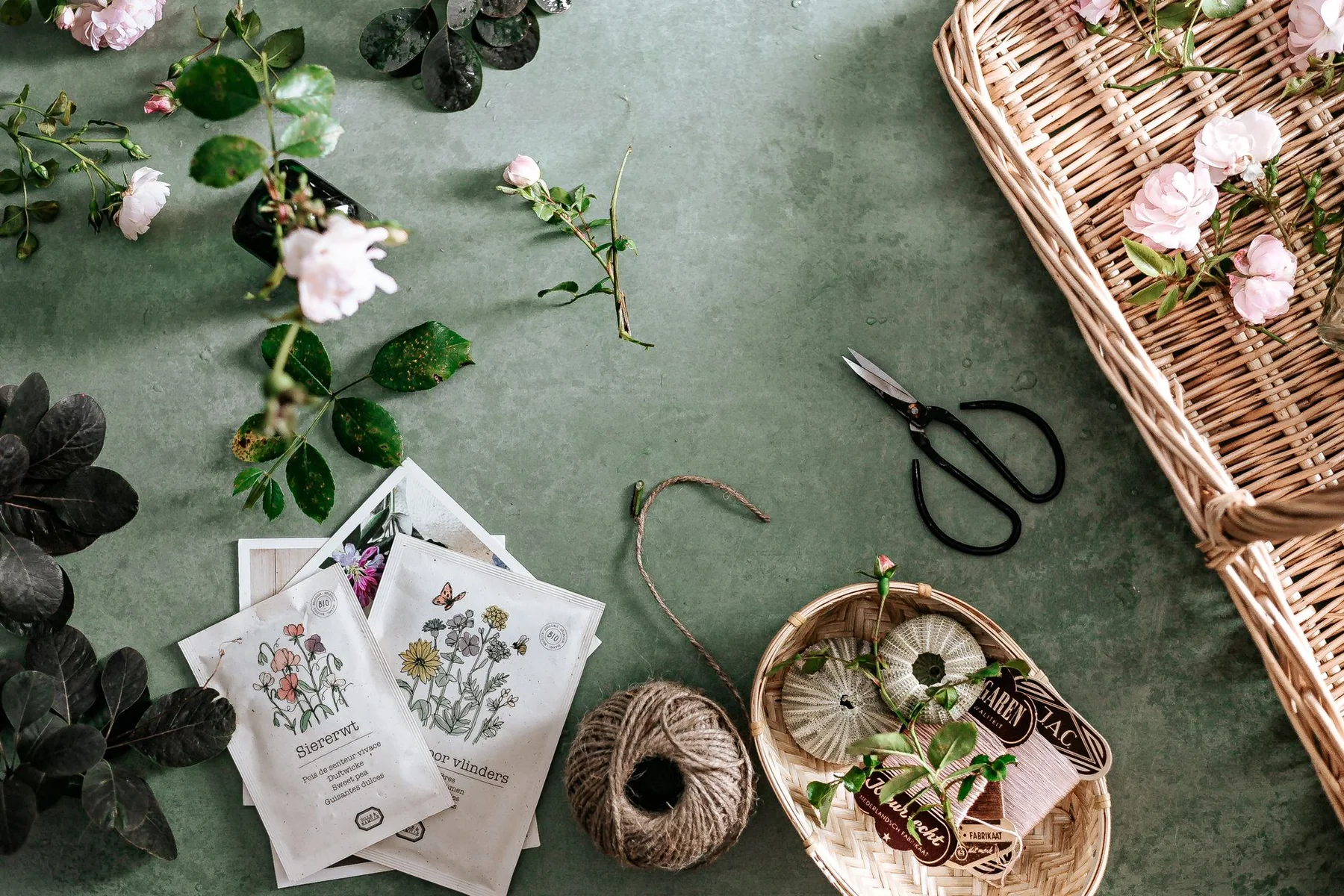
A seed packet is both a small container and a short instruction manual. The front often sells an image of the harvest; the back should help a grower decide when, where, and how to sow. A home-saved packet has even less room, so the best labels are concise and honest. They identify what is known, preserve the harvest record, and leave uncertainty visible instead of filling it with a confident guess.
Put identity before decoration
Start with the crop name and the variety name exactly as it appeared on the source packet or grower’s record. If the variety is unknown, write “unknown variety” rather than assigning a familiar name based on appearance. Add botanical species when two crops share a common name or when a seed swap includes several varieties. For a commercial lot, retain the original supplier and lot number where possible.
Mark whether the seed was purchased, saved, or shared. For saved seed, include the harvest year, parent plant or bed, and the reason the plant was selected. If the plant was a hybrid, label that fact; if the pollination history is unknown, do not promise that the offspring will match the parent. A note such as “open-pollinated label from source packet; garden crossing not controlled” tells more than a generic “heirloom” sticker.
The sowing instructions should distinguish direct sowing from indoor starting. “Plant in spring” is rarely enough. If the source provides it, record the local or packet’s sowing depth, spacing, light, and temperature range. Keep the source and date alongside copied instructions because recommendations can change and a regional seed packet may not fit another climate. Avoid converting a regional calendar into a universal date.
Make the information readable at the point of use
Use permanent ink that does not smear when damp. Write large enough for an older gardener or a child to read without a magnifier. A QR code can point to a longer record, but it should not replace the crop name and harvest year printed on the packet. The code may fail, the phone may be unavailable, and the paper packet may be shared with someone who does not use a smartphone.
Choose a packet material that suits the seed. Paper envelopes work well for thoroughly dry seed when stored in a sealed, cool container; they are not moisture-proof by themselves. Small seed may escape through an oversized flap, and oily or damp seed can stain a label. Fold and tape the packet so it opens without scattering contents, and leave enough space to reseal it after a partial sowing.
For a community seed library, give every lot a short ID that connects the packet to a fuller record. Keep the ID consistent across the inventory, packet, and any germination test. If a participant returns an observation, attach it to that lot rather than to a general crop name. This helps distinguish two batches of the same variety harvested in different years or by different growers.
A compact label checklist
- Name: crop and variety as verified from the packet or grower.
- Source: supplier, donor, or garden bed; preserve a lot number when available.
- Status: purchased, saved, hybrid, open-pollinated, or unknown where known.
- Date: harvest year and packing date; do not substitute the donation date for harvest year.
- Conditions: isolation or crossing notes, parent count, and any disease concern.
- Use: sowing method and source of the instructions, plus a visible nonpotable or safety warning if needed for another material.
The “conditions” line is where honest limitations belong. A pea lot grown beside another variety can be labeled with the neighboring crop and a note that crossing was not controlled. A tomato lot from one plant can say that it represents one parent. That does not make the seed unusable; it makes the expected variation understandable to the next grower.
Separate storage notes from sowing notes
Do not crowd every detail onto the packet. The label should still be useful when the seed is taken to a garden. Store more context in a ledger: drying method, storage container, test result, and photographs. Put the harvest date and the short identity on both records so they remain connected if one copy is lost.
Keep packets dry and cool, away from direct sun, ovens, and damp basements. Store varieties in individual envelopes inside a larger moisture-resistant container. Do not add a desiccant directly to tiny seed unless the product and method are understood; excess drying can harm some species. Follow the crop’s storage needs and mark when a lot should be retested rather than claiming a precise expiration date.
Do a packet audit before the next sowing
Once per season, check whether the packet still identifies the lot, whether the seed is dry, and whether the sowing notes match the current region. Remove empty or moldy packets, update the amount remaining, and add the most recent germination result. If the packet’s variety name conflicts with the ledger, stop distribution until the mismatch is resolved. A tidy packet is not useful if its information is wrong.
Leave uncertain identity visibly unresolved
This labeling approach is for home and community seed collections. Commercial seed labeling may be governed by additional state, federal, or international requirements. The article does not establish legal compliance, seed certification, or disease-free status. Preserve source documentation and consult the relevant seed authority before selling or distributing regulated seed.
Sources and further reading
- Seed Saving Basics — Penn State Extension
Identity, pollination, drying, storage, and practical seed-lot labels.
- Saving vegetable seeds — University of Minnesota Extension
Crop-specific seed collection and storage details to keep on a packet or record.