
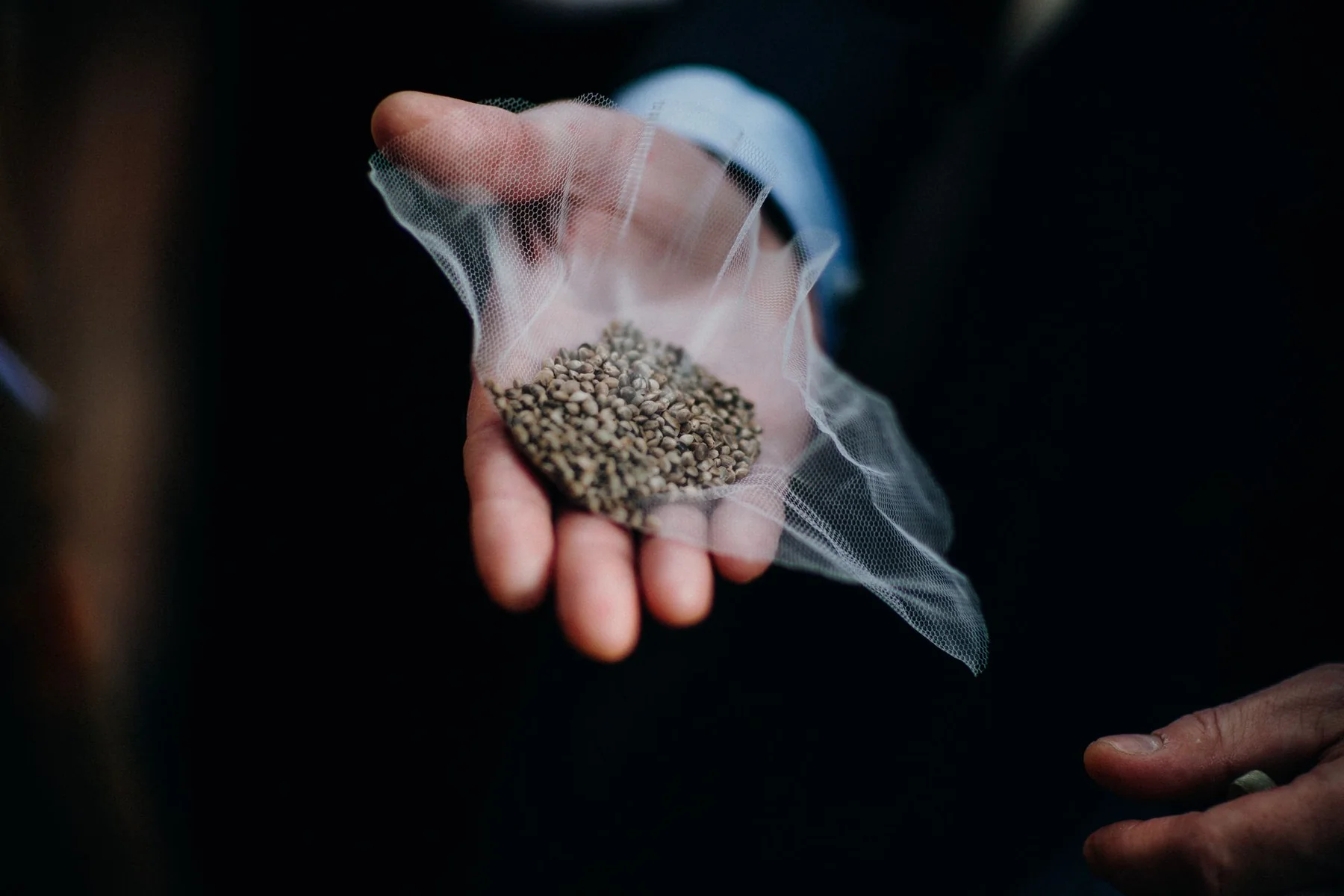
A seed swap works when a packet tells the next grower what they are receiving and what remains unknown. Courtesy is part of the process, but so are plant health, accurate names, and local rules. A friendly exchange can still spread a mislabeled crop or an unwanted weed if every envelope is treated as trustworthy by default. A few shared practices make a community swap easier for beginners and more useful to experienced seed savers.
Bring seed you can describe
Label crop and variety as precisely as your records allow. Include the supplier or grower, harvest year, and whether the seed was purchased or home-saved. If the name is uncertain, say so. Do not rename a seed because the fruit looked similar to a catalog photograph. A packet that states “unknown purple tomato, saved 2025” is more honest than one given an unsupported heirloom name.
For saved seed, note whether the plant was open-pollinated, hybrid, or unknown. Explain any nearby compatible varieties and whether you used isolation. Tomatoes, peas, and beans are common beginner crops because they often self-pollinate, but cross-pollination is still possible. A swap is not the place to promise genetic purity without records. If the seed grew from an F1 hybrid, tell borrowers that offspring may differ from the parent.
Only share seed from healthy plants and clean, mature seed correctly. Do not bring seed from a plant with a suspected transmissible disease or pests that may travel with the seed. If you are unsure whether a symptom is infectious, hold that lot back and ask local Extension. A swap organizer can set a policy that excludes seed of unknown health status, especially for crops with serious local disease issues.
Make packets legible and useful
Use a closed paper envelope or small packet that will not leak seed in transit. Write in permanent ink and include the crop, variety, harvest year, source, and sowing notes. A QR code can link to a longer growing log, but the packet should still identify itself if the phone is offline. Include seed quantity or approximate number so a borrower can plan their tray.
Provide basic sowing context from a credible packet or Extension source: indoor or direct sowing, depth, light, and regional timing where relevant. Do not copy a calendar date without the region. If seed requires stratification, scarification, or a long season, make that requirement visible before someone takes it home. A swap should not disguise the labor or conditions that make a seed viable.
Keep the source note separate from the growing claim. “Donated by Alex; grown in a south-facing balcony planter” is provenance. “Tolerates shade” is a performance claim that should be supported by experience or a reliable source. If the observation comes from one season, say that. Beginners benefit from a candid note more than an absolute guarantee.
A respectful exchange table
- Ask before taking: use the organizer’s limit so one person does not empty a small lot.
- Share the record: take a photo or note the lot ID before opening the packet.
- Keep varieties separate: use a clean surface and do not pour seed between unlabeled containers.
- Disclose uncertainty: mark crossing risk, unknown age, or a missing source plainly.
- Do not redistribute restricted material: check local plant-health, invasive-species, and seed rules before bringing seed across jurisdictions.
- Return observations: tell the grower what emerged, even if the seed failed; feedback improves the next swap.
An organizer can assign each lot a short code and use it on the packet, sign-out sheet, and follow-up card. Record the crop and quantity shared, but keep donor contact details private unless that person agrees to share them. A lot code makes it easier to trace a question about germination or identity without turning a friendly event into a public list of participants.
Plan for plant health and regulations
Some seeds and plants are restricted to prevent pests, pathogens, or invasive species from moving between regions. A casual community event does not override quarantine rules. Check state agriculture and federal requirements before accepting seed from another country or shipping it across state lines. If a seed is treated, coated, or chemically dressed, label it and do not offer it as untreated edible crop seed.
Keep seed from unknown sources in a separate tray or box until the organizer has checked the label. Do not store loose seed beside a lot with visible insects or mold. Clean tables after the event and return unopened packets to a dry container. If a pest is found, isolate the affected packet and contact the source; do not scatter its contents into the library.
Include new growers without making promises
Set aside clearly labeled beginner lots and offer a one-page guide to sowing and storage. Invite people to take only what they can plant, but do not make participation conditional on returning seed. A crop can fail because of weather or light, and the exchange should welcome learning rather than imply a guaranteed harvest. If someone’s seed did not germinate, ask about age, storage, temperature, and moisture before blaming the grower.
Put plant-health limits on every exchanged lot
This article covers informal local exchange. Seed labeling, shipping, quarantine, and sale rules differ by jurisdiction and crop. An organizer should check current local requirements and make a clear policy for uncertain disease status. A packet label cannot certify germination, variety identity, or freedom from pathogens.
Sources and further reading
- Seed Saving Basics — Penn State Extension
Seed identity, variety status, health, and labeling practices for shared lots.
- Saving vegetable seeds — University of Minnesota Extension
Seed-saving suitability and cross-pollination differences among crops.