A courtyard that never receives full midday sun can still grow food, but “shade-tolerant” does not mean “thrives in darkness.” The difference between three hours of direct morning light and a bright space under a tree can determine whether a crop produces leaves or merely survives. Before choosing seed, measure where the light reaches the pot and choose a harvest that fits the available energy.
Measure the shade that plants actually receive
Record the hours of direct sun at each bed or container, including whether that sun arrives in the cool morning or hot afternoon. A wall may block the sky while a bright pavement reflects light; a deciduous tree can create a different pattern after leaves fall. Repeat the observation in spring and summer if the planting will span seasons. A photograph every two hours can reveal changes that a single noon check misses.
Separate direct sunlight from open shade. A plant in bright open shade can receive a lot of diffuse light even without a sunbeam on its leaves. A dark corner under a balcony overhang is a different environment. If a plant stretches, forms long gaps between leaves, or stays pale, it may need more light; nutrient problems and root stress can produce similar symptoms, so inspect the whole plant before moving it.
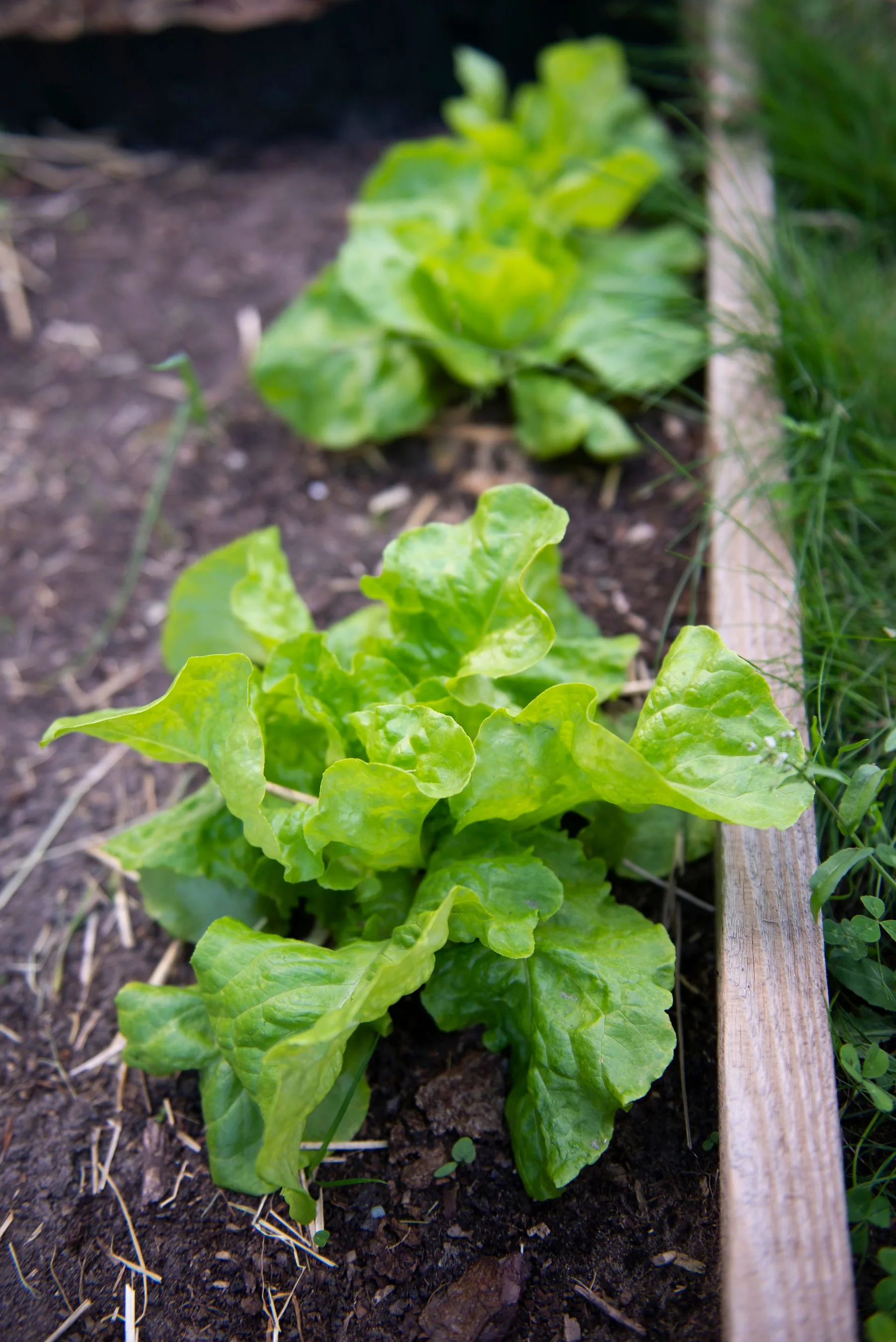
Choose crops for the actual harvest goal. Leafy greens, some herbs, and cool-season crops often tolerate less direct sun than fruiting vegetables. Tomatoes, peppers, squash, and beans generally need stronger light for dependable flowering and yield. A plant may remain alive in shade and still fail to make the food or seed the gardener wanted. Set expectations before sowing rather than labeling every survivor a success.
Design around the brightest hours
Place the most light-demanding crop in the brightest safe location and lower containers where they will not be shaded by a railing or taller plant. Keep an open sightline to the sky where possible. Light-colored walls can reflect some light, but a mirror or improvised reflective panel may cause glare, uneven heat, or conflict with building rules. Test a small change and observe leaf temperature before lining a courtyard with reflective material.
Use container depth to fit roots rather than adding a tall pot simply to raise a plant. A raised pot may gain light but also dry faster and become unstable in wind. If a crop needs more sun than the courtyard offers, consider a shorter harvest cycle, a more shade-tolerant variety, or a different use for the space. Starting seedlings indoors and moving them outside does not solve a permanent light shortage.
Plan for seasonal movement. The sun’s angle changes, so the brightest winter windowsill may be dimmer in summer when a tree leafs out. A movable pot can follow the light, but large containers become heavy when wet. Use a tray or wheeled caddy that is rated for the load and keep pathways clear. Do not drag a planted container across a shared walkway or place it on an unsafe railing.
Crop choices for a shaded courtyard
- Leaf harvest: try lettuce, spinach, arugula, or other leafy crops whose local guidance matches the measured light and season.
- Herb harvest: test parsley, mint in a contained pot, or chives where the species and local climate fit; do not assume every herb tolerates deep shade.
- Root crops: small radishes or beets may grow foliage in partial light, but root size and maturity can be reduced.
- Fruit crops: reserve the brightest patch for a compact tomato or pepper and accept that yield may be limited.
- Seed saving: keep one plant in the brightest position and allow it to flower; shade can delay maturity beyond the season.
These categories are starting points, not guarantees. Cultivar, temperature, container volume, and reflected light all matter. Seed packets often describe performance in a conventional garden; a courtyard may receive less light and more reflected heat than the packet assumes. Begin with a small sowing instead of filling every pot with one crop.
Water and disease in slow-drying shade
Shaded pots often lose water more slowly than sunny ones. Check mix beneath the surface before watering, and empty saucers so roots do not sit in standing water. A sunny balcony watering schedule can overwater a shaded courtyard. Conversely, wind tunnels can dry a shaded site quickly, so use the plant and soil rather than the word “shade” as your cue.
Dense foliage with poor airflow can stay damp and invite disease. Space plants so leaves are not pressed together and water the soil rather than wetting foliage late in the day. Remove diseased material using local guidance; do not place every suspect leaf in a small home compost pile. A little pruning may improve airflow, but removing too much leaf surface reduces the plant’s ability to capture scarce light.
Run a one-container comparison
Sow a small batch of one leafy crop in the darkest and brightest candidate locations, using the same container and mix. Record emergence, leaf number, harvest size, and watering interval over several weeks. Do not move the pots midway unless you document it. This modest comparison helps identify a useful zone without pretending to establish a universal shade threshold for the species.
Choose harvest goals that fit measured light
Light needs vary by species, cultivar, season, and climate. A local Extension crop guide should take priority over a broad list. Shade-tolerant plants still require enough light to grow; this guide does not promise fruit or seed harvests in deep shade. Follow local advice about invasive herbs such as mint and keep containers from blocking accessible routes.
Sources and further reading
- Container Vegetable Gardening: Four Keys to Success — Penn State Extension
Crop light differences in containers, including leafy crops that can tolerate some shade.
- Growing herbs — University of Minnesota Extension
Light needs and container care for culinary herbs in a regional Extension context.